

Multi-Tiered Dispute Resolution Clauses: Escalation and Negotiation
Multi-Tiered Dispute Resolution Clauses: Escalation and Negotiation
In the complex landscape of modern business, conflicts are an inevitable reality. Multi-Tiered Dispute Resolution (MTDR) clauses have emerged as a strategic tool for organizations aiming to address and resolve conflicts efficiently while minimizing disruptions. This blog post explores the nuances of escalation and negotiation within MTDR clauses, highlighting best practices and effective strategies that align with current compliance standards and legal frameworks in the U.S., U.K., and the UAE.
Understanding Multi-Tiered Dispute Resolution Clauses
Multi-Tiered Dispute Resolution Clauses are contractual provisions that lay out a structured approach for resolving disputes that may arise during the term of a contract. Unlike standard dispute resolution mechanisms, MTDR clauses encourage parties to navigate their disputes through a series of escalating steps before resorting to litigation. These clauses typically begin with informal negotiation, followed by mediation, and may ultimately lead to arbitration or litigation if earlier attempts fail.
The Importance of Escalation in MTDR Clauses
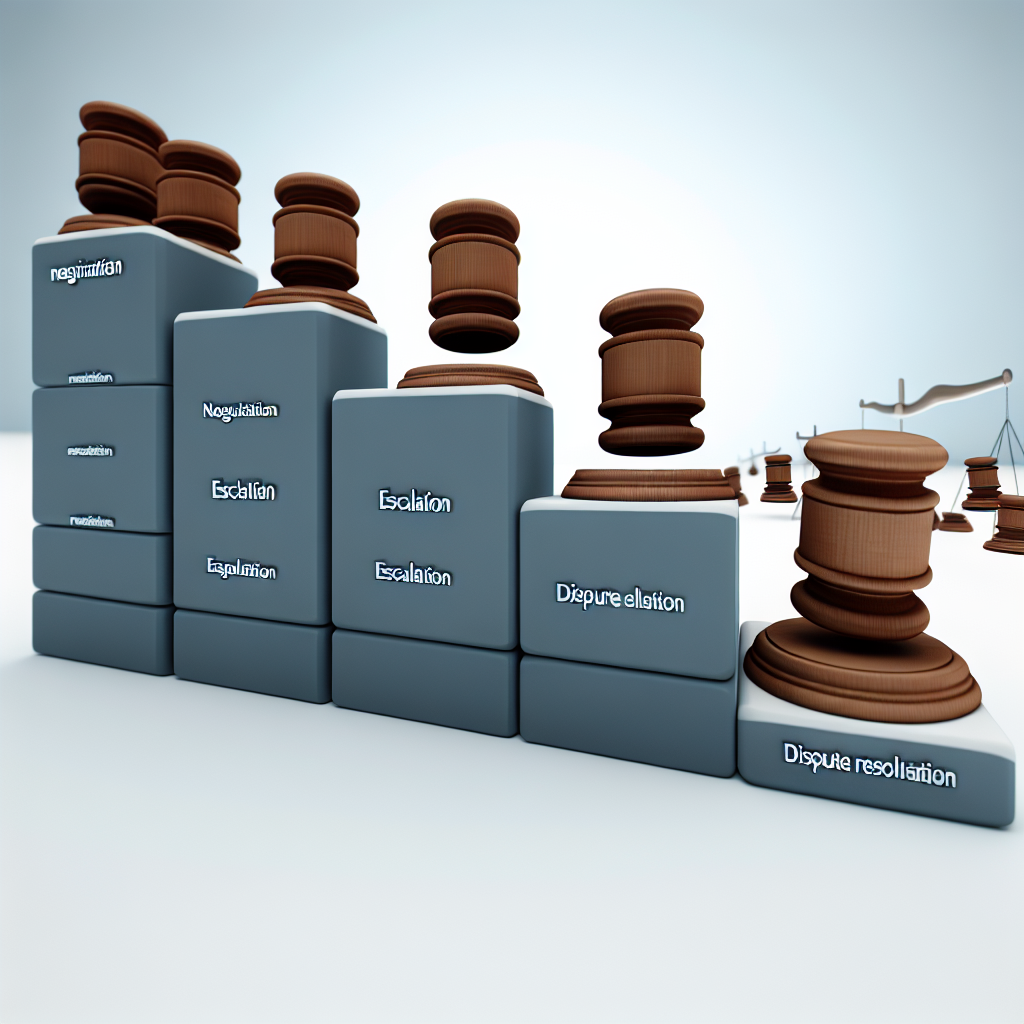
Escalation is a critical feature of MTDR. This structured approach allows for the gradual resolution of disputes while fostering a culture of communication and collaboration between parties. An effective escalation process typically proceeds through the following stages:
- Informal Negotiation: The parties are encouraged to engage in open discussions to resolve their issues informally.
- Mediation: If negotiation does not yield results, a neutral third party is brought in to facilitate a resolution.
- Arbitration or Litigation: As a last resort, the dispute is resolved through binding arbitration or court proceedings.
This tiered approach offers various benefits:
- Cost Efficiency: Resolving issues at earlier stages often results in lower legal costs.
- Time-Saving: Reducing the time spent in court can expedite the resolution process.
- Preservation of Relationships: Early resolution efforts encourage amicable solutions, helping to maintain business relationships.
Negotiation: A Key Element of Dispute Resolution
Negotiation serves as the foundation of any dispute resolution process. Effective negotiation skills can greatly influence the outcome of conflicts. For organizations operating in diverse cultural environments, understanding and applying negotiation styles that resonate with different parties is crucial.
Best Practices for Successful Negotiation
To facilitate successful negotiations, organizations should consider the following best practices:
- Active Listening: Listening attentively to the concerns of all parties fosters a collaborative atmosphere.
- Clear Communication: Honesty and transparency about intentions and expectations can mitigate misunderstandings.
- Cultural Sensitivity: Being aware of cultural differences can greatly enhance negotiation outcomes, particularly in multi-cultural contexts like the GCC.
- Writing Detailed Agreements: Documenting negotiated terms helps all parties remain aligned and reduces further disputes.
Implementing MTDR Clauses: A Strategic Consideration
When drafting and implementing MTDR clauses, organizations must ensure they align with their operational goals and legal obligations. Following are key considerations when implementing MTDR clauses:
Drafting Considerations
- Clarity and Conciseness: Clear language in the dispute resolution clause helps prevent ambiguity.
- Customization: Tailor the MTDR clauses to fit the specific needs of the business and the nature of potential disputes.
- Enforceability: Ensure that the clauses meet local legal standards to uphold their viability in disputes.
Local and International Compliance Standards
Compliance with local and international laws is imperative in crafting MTDR clauses. In the U.S. and U.K., there are established legal frameworks guiding dispute resolution practices. In the UAE, recent regulatory developments underscore the importance of integrating local customs and laws into MTDR frameworks.
Understanding the dynamics between different legal systems can enhance the effectiveness of dispute resolution strategies for international businesses operating in multi-jurisdictional environments. The Consultant Global is well-positioned to navigate these complexities, ensuring businesses align their dispute resolution strategies with the respective legal frameworks.
The Role of The Consultant Global
At The Consultant Global, we understand the critical role that effective dispute resolution plays in maintaining the health of business relationships. Our extensive experience equips us with the unique capabilities to help organizations implement MTDR clauses that align with best practices and comply with varying legal standards. Our multicultural expertise and fluency in multiple languages — including English, Turkish, Azerbaijani, Russian, and French — enable us to provide tailored advisory services to our clients, delivering value that enhances their operations.
Fostering Trust and Transparency
As trusted advisors, we prioritize transparency and open communication. We believe that fostering trust within negotiation and dispute resolution processes is vital. By helping our clients navigate conflicts through structured MTDR clauses, we aim to empower them to resolve disputes effectively while maintaining essential business relationships.
Conclusion
In conclusion, Multi-Tiered Dispute Resolution Clauses serve as a prudent approach for organizations to address conflicts strategically. By emphasizing escalation and negotiation, businesses can reduce potential disruptions and maintain operational efficiency. The Consultant Global remains dedicated to providing comprehensive consultancy services, leveraging our diverse expertise to support clients in implementing effective dispute resolution frameworks that comply with legal standards both locally and internationally. Our commitment to enhancing business relations uniquely positions us to guide our clients toward growth and resilience in an ever-evolving business landscape.


Leave a Reply