

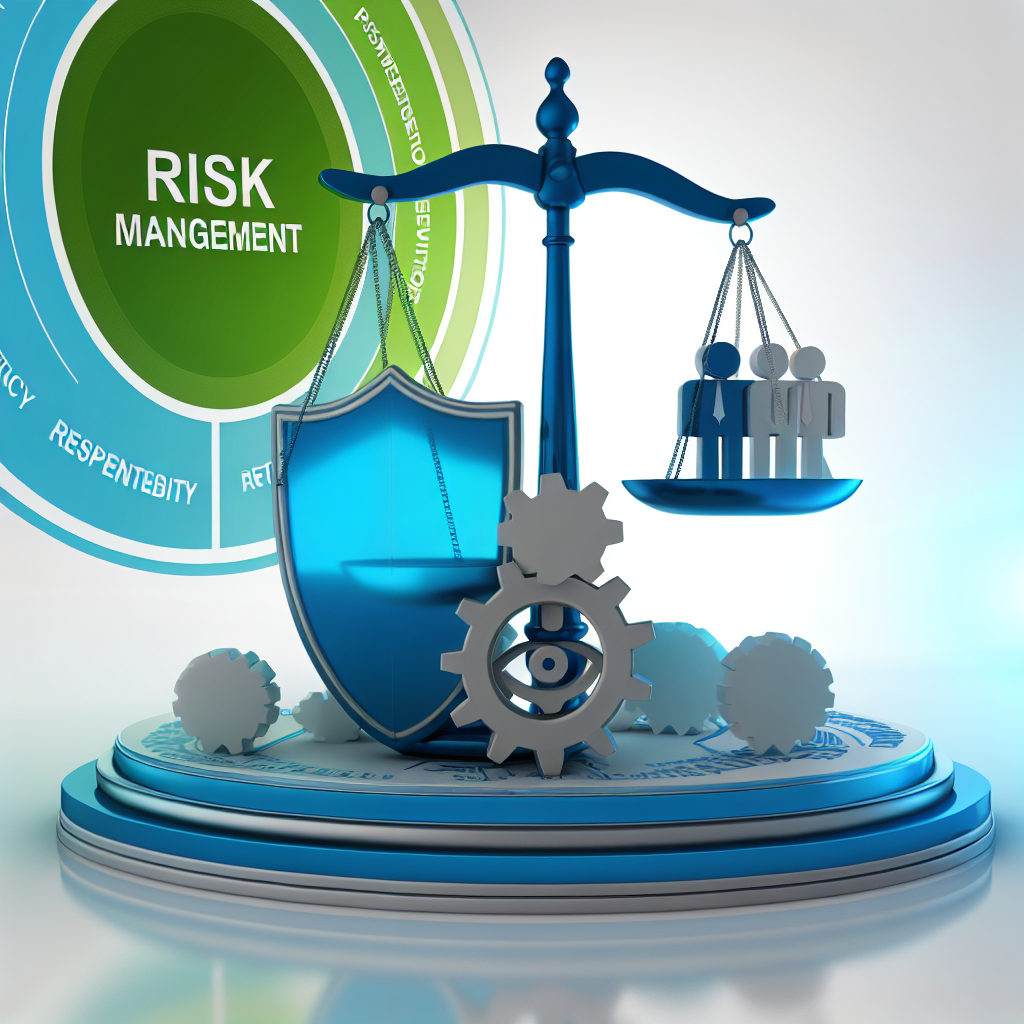
Risk Management Ethics: Identifying and Mitigating Risks Responsibly
Introduction
In today’s complex corporate landscape, ethical risk management has never been more crucial. Organizations are tasked with not only recognizing potential risks but also implementing strategies that mitigate those risks responsibly. This article delves into the ethics of risk management, offering insights on effective identification and mitigation practices. As part of our commitment to excellence, The Consultant Global aims to guide clients in navigating these intricate waters, ensuring a balance between compliance and ethical responsibility.
The Importance of Ethics in Risk Management
Risk management, at its core, is about ensuring the longevity and sustainability of an organization while upholding ethical principles. An ethical framework is not just a regulatory necessity; it fosters a culture of transparency and accountability. Here are key reasons why integrating ethics into risk management is essential:
- Building Trust: Ethical risk management practices cultivate trust among stakeholders, including employees, clients, and investors.
- Enhancing Reputation: Organizations that prioritize ethics in their operations often enjoy a stronger reputation, which can directly translate into financial success.
- Preventing Legal Issues: Adhering to ethical standards reduces the likelihood of legal actions and penalties associated with non-compliance.
Identifying Risks Responsibly
Effective risk identification is a critical first step in the risk management process. This involves a systematic approach to recognizing potential threats that could impact the organization. Here are several strategies to identify risks responsibly:
1. Conducting Comprehensive Risk Assessments
Begin by conducting thorough risk assessments that encompass all areas of your operation. This could involve:
- Evaluating both internal and external factors.
- Engaging cross-functional teams to gain diverse perspectives.
- Utilizing qualitative and quantitative methodologies for a well-rounded overview.
2. Encouraging Open Communication
Fostering an environment of open communication is key. Encourage employees at all levels to voice their concerns about potential risks. This can be achieved through:
- Regular team meetings.
- An anonymous reporting system for whistleblowing.
- Workshops on recognizing and addressing risks.
3. Leveraging Technology
In the digital age, technology plays a significant role in risk identification. Utilize data analytics, machine learning, and AI-powered tools to:
- Predict potential threats based on historical data.
- Monitor transactions in real-time to identify anomalies.
Mitigating Risks Responsibly
Once risks are identified, the next step is to mitigate them in a manner consistent with ethical practices. Here are several methods to achieve responsible risk mitigation:
1. Implementing Effective Policies and Procedures
Develop and enforce policies that guide employees on ethical behavior and compliance. This includes:
- Establishing a clear code of conduct.
- Providing training programs that emphasize ethical decision-making.
- Regularly reviewing and updating policies to reflect best practices.
2. Balancing Risk and Reward
Sometimes, exposure to certain risks can lead to significant rewards. It’s essential to balance these effectively by:
- Analyzing the potential benefits of taking calculated risks.
- Developing contingency plans to address possible setbacks.
- Regularly reviewing risk-reward assessments to ensure alignment with organizational goals.
3. Engaging Stakeholders
Engaging stakeholders in the risk management process is vital. This could involve:
- Involving external auditors in risk assessments.
- Creating an advisory board that includes representatives from various stakeholder groups.
- Encouraging feedback on risk management strategies.
The Role of Culture in Risk Management
Culture plays a significant role in how an organization identifies and manages risks. A strong ethical culture promotes responsibility and proactive risk management. Consider the following elements:
1. Leading by Example
Leadership should embody the values of ethical behavior. When leaders prioritize ethics, it instills a similar commitment throughout the organization.
2. Recognition and Reward
Recognizing employees who demonstrate ethical behavior in risk management can foster a culture of responsibility. Consider implementing a rewards program for those who effectively identify and mitigate risks.
The Global Perspective: GCC and UAE Practices
As The Consultant Global expands its footprint in the GCC, particularly in the UAE, it’s essential to understand regional nuances in risk management. The Gulf region is known for its rapid economic development, which comes with unique risks. This makes effective ethical risk management imperative:
1. Regulatory Compliance
Adhere to local laws and regulations, including standards set by relevant authorities in the UAE, which can vary significantly from Western counterparts. Regular training and updates on regulatory changes ensure compliance.
2. Cross-Cultural Considerations
In a diverse environment like the UAE, understanding cultural nuances in ethical expectations will aid in better risk management. Tailor strategies to accommodate different cultural norms.
Conclusion
At The Consultant Global, we recognize that the journey of identifying and mitigating risks responsibly is not just about protecting assets but also about fostering a culture of ethics and compliance. Our extensive experience in various sectors allows us to provide tailored advice that aligns with your business goals while navigating the complexities of risk management. With our multi-lingual capabilities and an understanding of diverse cultures, we are uniquely positioned to assist organizations within the GCC and beyond. Trust us to be your partners in achieving sustainable success.


Leave a Reply