

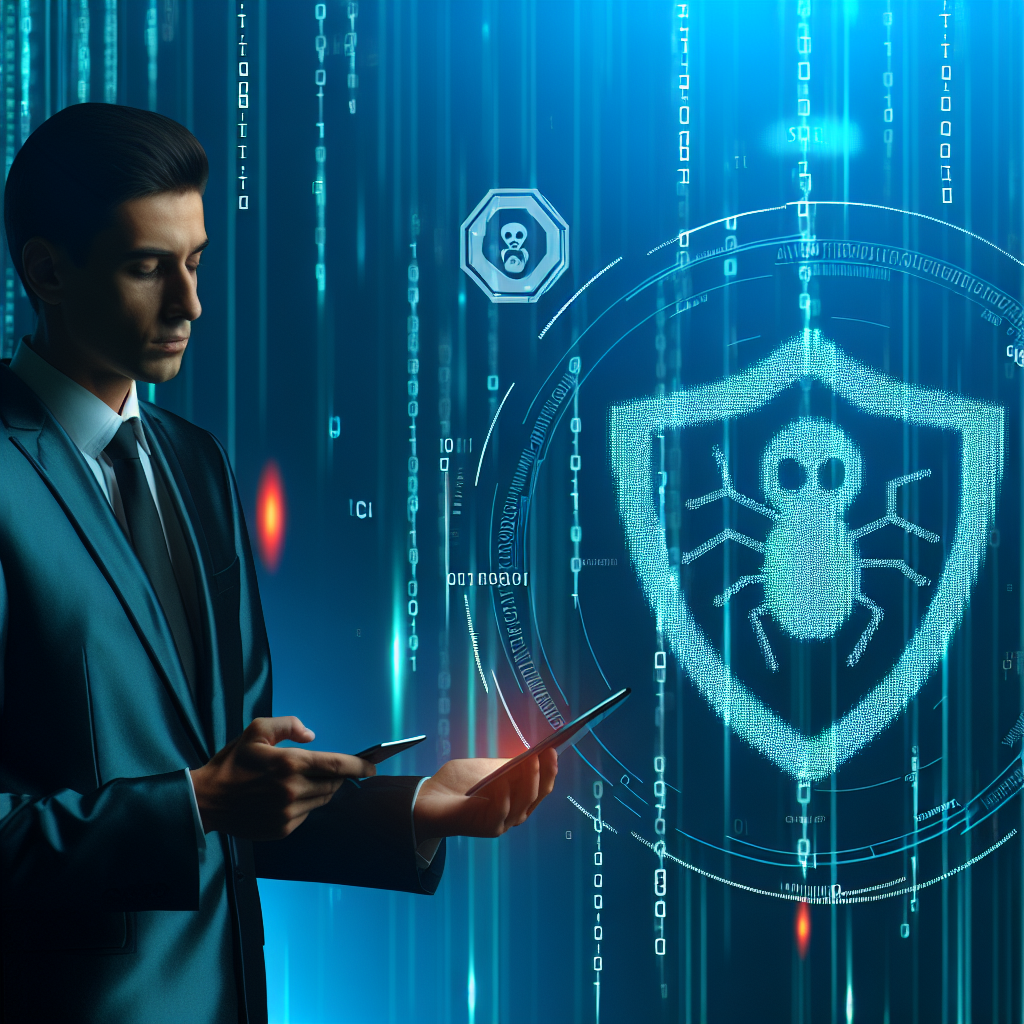
AI for Malware Analysis: AI-Assisted Malware Dissection
Introduction to AI-Assisted Malware Analysis
In the rapidly evolving cybersecurity landscape, the use of artificial intelligence (AI) for malware analysis has emerged as a game-changing approach. AI-assisted malware dissection enhances the ability to detect, analyze, and mitigate increasingly sophisticated threats. With technological advancements and a growing need for robust cybersecurity, organizations must adopt innovative strategies to safeguard their digital assets effectively.
Understanding Malware: Types and Threats
The Essentials of Malware
Malware, short for malicious software, encompasses various types of harmful software designed to infiltrate, damage, or disrupt computer systems. Common forms of malware include:
- Viruses: Self-replicating code that attaches itself to legitimate programs and spreads across systems.
- Worms: Standalone malware that replicates independently to infect systems, often causing significant damage.
- Trojans: Malicious software disguised as legitimate software, enabling unauthorized access to systems.
- Ransomware: Encrypts files, rendering them inaccessible until a ransom is paid.
- Adware and Spyware: Software that collects user data or displays unwanted ads, often without consent.
Malware Threat Landscape
The malware threat landscape is continuously evolving. Cybercriminals leverage advanced techniques, including polymorphism, encryption, and evasion tactics, making traditional detection methods less effective. Consequently, organizations must innovate their approach to malware analysis using contemporary solutions like AI.
The Role of AI in Malware Analysis
AI: A Catalyst for Enhanced Security
AI technologies have the potential to revolutionize malware analysis, providing organizations with the tools to better understand and counter threats. Key applications of AI in this domain include:
- Behavioral Analysis: AI can analyze patterns in system behavior to detect anomalies indicative of malware activity.
- Automated Detection: AI-enabled systems can quickly parse through vast amounts of data, identifying malware signatures and suspicious activities.
- Threat Intelligence: AI can gather and analyze data from multiple sources, offering insights into emerging threats and helping organizations stay one step ahead.
Machine Learning: The Backbone of AI-Assisted Dissection
Machine learning (ML), a subset of AI, plays a vital role in malware analysis. ML algorithms can be trained on historical malware datasets, improving their accuracy in identifying new threats. By employing techniques such as supervised and unsupervised learning, organizations can refine their approaches to malware detection and response.
Ethics and Compliance in AI-Assisted Malware Analysis
Understanding Ethical Considerations
While the integration of AI into malware analysis offers numerous benefits, it also raises important ethical considerations. Organizations must ensure that their approaches align with ethical guidelines and compliance regulations, particularly when handling sensitive data. Key points to consider include:
- Data Privacy: Organizations must safeguard user data and ensure that AI systems do not violate individual privacy rights.
- Transparency: The inner workings of AI algorithms should be transparent to build trust among stakeholders.
- Accountability: Organizations must establish clear accountability mechanisms for the use of AI systems in malware analysis.
Compliance with Regulatory Standards
Compliance with established regulations, such as GDPR in Europe and the CCPA in California, is critical. Organizations should develop policies that govern the ethical use of AI in malware analysis, ensuring that they remain compliant while effectively mitigating risks.
Integration of AI Tools in Your Cybersecurity Strategy
Choosing the Right AI Solutions
Selecting the right AI tools is crucial for effective malware analysis. Organizations should consider:
- Scalability: The AI solution should be able to handle growing amounts of data as organizations expand.
- Adaptability: The system should adapt to new threats and learn from emerging attack patterns.
- Integration: The AI tool should integrate seamlessly with existing security infrastructure.
Implementing AI in Your Security Framework
To implement AI successfully, organizations should:
- Conduct a thorough assessment of their current security infrastructure.
- Identify gaps in malware detection and response capabilities.
- Invest in training staff to leverage AI tools effectively.
The Unique Position of The Consultant Global
At The Consultant Global, we understand that the integration of AI into cybersecurity strategies is critical for businesses in the GCC, particularly in the UAE. Our embedded values emphasize delivering unparalleled consultancy services tailored to your needs. With extensive experience in government, private sectors, and across various industries, we assess our clients’ requirements efficiently to ensure maximum value is provided.
Diversity and Language Skills
Operating within a multicultural environment, our diverse team possesses exceptional language skills, including proficiency in English, Turkish, Azerbaijani, Russian, and French. This unique capability enhances our consultancy services, allowing us to effectively engage with clients from various cultural backgrounds.
Our Commitment to Excellence
As your trusted advisor, we continuously strive to grow globally, making The Consultant Global a premier choice for businesses. Our client portfolio includes leading companies across the GCC, all of which trust us to deliver valuable consulting solutions. Our approach ensures that we only take assignments where we add substantial value, fostering a culture of trust and efficiency.
Conclusion
AI-assisted malware dissection represents a transformative approach to cybersecurity. By embracing AI technologies, organizations can significantly enhance their malware analysis capabilities, leading to improved threat detection and response. However, it is crucial to integrate ethical considerations and comply with regulatory standards to build a robust and trustworthy cybersecurity strategy. With The Consultant Global as your partner, you can navigate the complexities of AI in cybersecurity with confidence, ensuring that your organization is well-protected against emerging threats.


Leave a Reply