

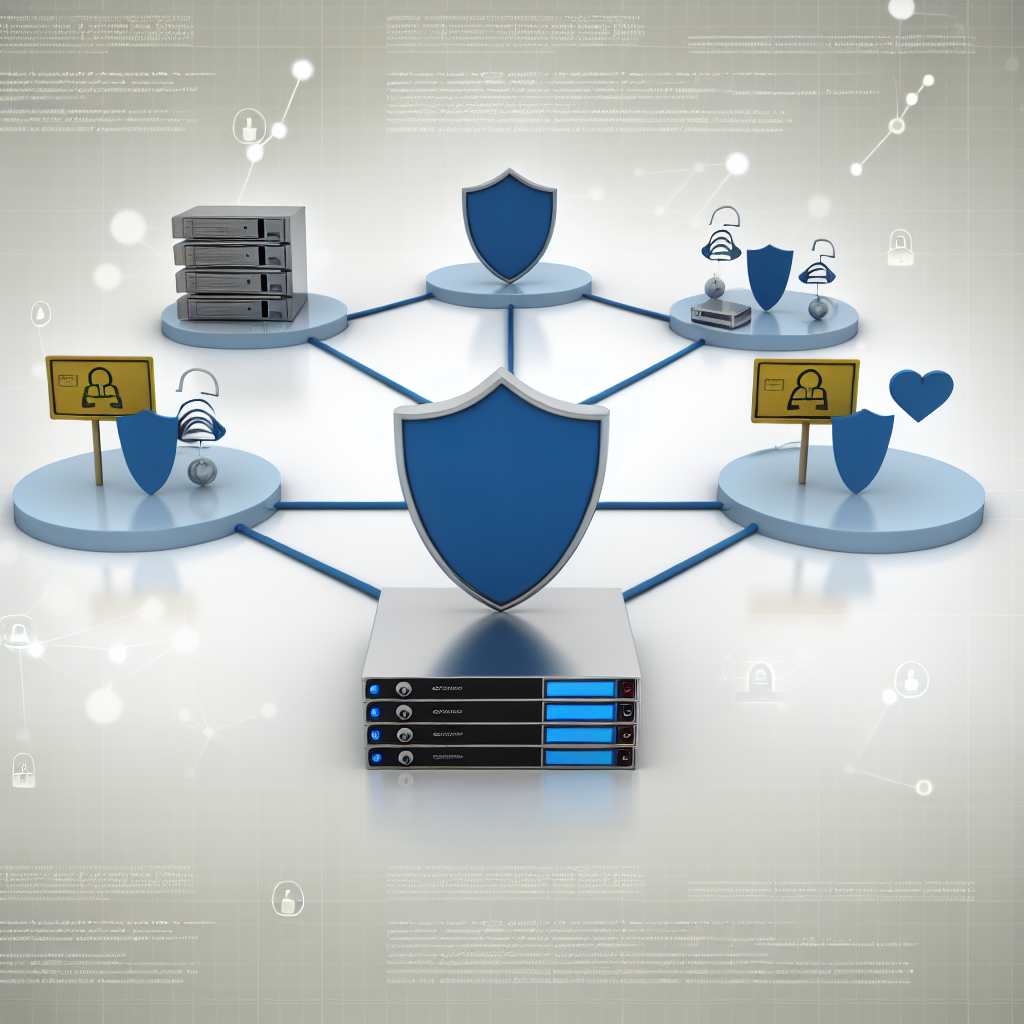
Security Information and Event Management (SIEM): Centralized Logging
Introduction to Security Information and Event Management (SIEM)
In today’s digital landscape, businesses face unprecedented challenges in maintaining security and compliance. One of the most effective tools at their disposal is Security Information and Event Management (SIEM), particularly when utilized through centralized logging. Centralized logging consolidates data from multiple sources, enabling organizations to monitor, analyze, and respond proactively to security threats. This article explores the significance of SIEM and centralized logging, its relevance in compliance and ethics, and how companies can leverage these systems to safeguard their operations while adhering to regulatory standards.
Importance of Centralized Logging in SIEM
Centralized logging acts as the backbone of effective SIEM solutions. By aggregating log data from various systems, centralized logging facilitates real-time monitoring and analysis, which is critical for timely incident response. Key benefits include:
- Improved Visibility: By gathering logs from different sources, organizations gain a holistic view of their security posture, identifying potential vulnerabilities and breaches more quickly.
- Enhanced Response Times: Centralized logging enables security teams to correlate data efficiently, resulting in faster identification and remediation of threats.
- Compliance Assurance: With regulations becoming more stringent, effective SIEM solutions supported by centralized logging help businesses meet compliance requirements by retaining and managing log data effectively.
Enhancing Compliance and Ethics through SIEM
Centralized logging provides organizations with a robust framework for ensuring compliance with various laws and regulations. By documenting security events and incidents, companies can establish accountability and transparency in their operations. SIEM solutions bolster compliance efforts by:
- Facilitating Audits: With organized logs at their disposal, businesses can streamline the audit process, providing verifiable evidence of compliance to stakeholders, regulators, and auditors.
- Supporting Risk Management: SIEM solutions enable proactive identification of risks, allowing companies to implement preventative measures and safeguard their assets effectively.
- Promoting Ethical Practices: By adhering to compliance standards, organizations demonstrate their commitment to ethical business practices, which can enhance their reputation and foster trust with customers.
Best Practices for Implementing SIEM with Centralized Logging
While adopting SIEM solutions can have significant advantages, successful implementation requires adherence to best practices. Consider the following:
1. Define Your Objectives
Before deploying a SIEM system, organizations must clearly establish their security and compliance objectives. Understanding what you need to monitor and why is essential for tailoring the SIEM to meet specific requirements.
2. Centralize All Relevant Logs
Aggregate logs from all critical systems, including firewalls, servers, and applications. Doing so helps create a comprehensive security landscape for analysis, leading to improved threat detection.
3. Implement Real-Time Monitoring
Enable real-time monitoring capabilities to instantly identify security anomalies or compliance breaches, allowing for swift responses to potential threats.
4. Regularly Analyze Data
Periodic analysis of log data will help refine threat detection rules and enhance the overall effectiveness of the SIEM solution.
5. Train Your Team
Ensure that your security personnel are adequately trained on the SIEM tools being utilized. Education on the nuances of the system will empower teams to make the most of centralized logging capabilities.
Challenges and Considerations
Despite the benefits, organizations may encounter challenges in implementing SIEM with centralized logging effectively. Key considerations include:
1. Data Overload
Centralized logging can generate a massive volume of data, leading to alert fatigue among security teams. Implementing filtering and prioritization mechanisms is vital to address this challenge.
2. Integration with Existing Systems
Seamlessly integrating SIEM solutions with existing IT infrastructure can pose initial hurdles. Engaging experts in cybersecurity and compliance can ensure smooth implementation and configuration.
3. Adapting to Evolving Threats
Cybersecurity threats are continuously evolving, necessitating frequent updates to detection rules and security protocols. Maintaining flexibility and agility in the SIEM strategy is crucial for ongoing effectiveness.
The Unique Position of The Consultant Global
At The Consultant Global, we excel in providing comprehensive consultancy services tailored to meet the needs of businesses navigating the complexities of cybersecurity and compliance. Our extensive experience across international, government, and private sectors equips us with insights that drive value for our clients. We understand that no two organizations are alike, which is why our approach is customized to fit your unique operational environment.
With a rich portfolio that includes leading companies within the GCC, we pride ourselves on our ability to work effectively across cultures and languages. Our team is fluent in English, Turkish, Azerbaijani, Russian, and French, allowing us to communicate and collaborate effortlessly with diverse teams globally. As we continue to grow and make strides in the GCC and UAE markets, our mission remains unwavering: to be your trusted advisor in achieving unparalleled cybersecurity and compliance solutions.
Conclusion
In conclusion, the integration of Security Information and Event Management (SIEM) with centralized logging represents a pivotal advancement in ensuring organizational security and compliance. By harnessing the power of centralized data aggregation and real-time monitoring, businesses can enhance their threat detection abilities while aligning with regulatory standards. Embracing these technologies and practices is essential for any organization committed to safeguarding its operations and maintaining ethical integrity in the face of emerging cybersecurity challenges.


Leave a Reply