

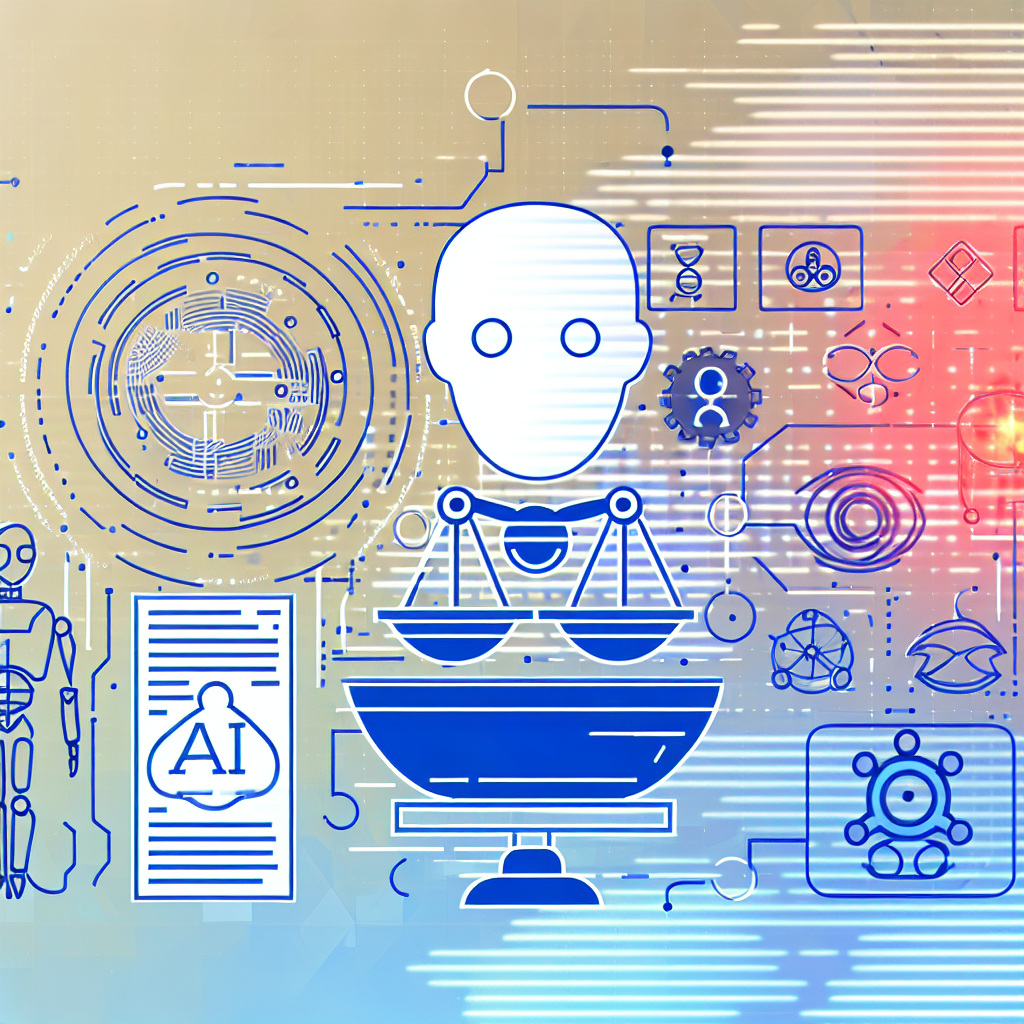
AI Ethics and Law: Navigating Emerging Technologies
Introduction
As the digital landscape evolves, the intersection of AI ethics and law is becoming increasingly crucial for businesses navigating the complexities of emerging technologies. With rapid advancements in artificial intelligence, understanding the legal implications and ethical considerations is paramount. This blog post explores the fundamental principles surrounding AI ethics and law, offering insights on how organizations can navigate this dynamic environment while ensuring compliance and fostering responsible innovation. At The Consultant Global, we believe in empowering our clients to leverage these technologies ethically and effectively.
The Importance of AI Ethics in Today’s Landscape
Artificial Intelligence is transforming industries by optimizing processes, enhancing decision-making, and creating new opportunities. However, with such power comes an array of ethical concerns:
- Bias and Discrimination: AI systems can inadvertently perpetuate biases present in the data they are trained on, leading to discriminatory outcomes.
- Transparency: The “black box” nature of many AI algorithms raises questions about accountability and the need for transparent processes.
- Privacy: As AI systems often rely on vast amounts of personal data, safeguarding individual privacy is paramount.
Organizations must embark on developing a robust ethical framework that aligns their AI initiatives with core values and societal expectations. At The Consultant Global, our extensive experience in diverse cultural contexts allows us to help businesses tailor their approaches to local values while adhering to international best practices.
Legal Frameworks Governing AI
Navigating the legal landscape surrounding AI requires a deep understanding of various regulations and guidelines that may apply:
U.S. Regulations
In the U.S., regulatory bodies such as the Federal Trade Commission (FTC) and the Department of Justice (DOJ) are actively developing frameworks to address the myriad challenges posed by AI technologies. Key areas of focus include:
- Consumer Protection: Ensuring that AI systems do not engage in deceptive practices or violate consumer rights.
- Antitrust Issues: Monitoring AI deployment to prevent monopolistic behaviors and protect competition.
U.K. Regulations
In the United Kingdom, the legal landscape is shaped by GDPR compliance, which emphasizes data protection and privacy. Specific guidelines regarding AI include:
- Data Utilization: Organizations must ensure that data used for AI systems is obtained lawfully, fairly, and transparently.
- Accountability: Emphasis on accountability measures for decisions made by AI systems.
UAE Practices
The UAE is at the forefront of adopting AI technologies, which is reflected in its ambitious national strategies. The regulatory framework focuses on:
- Innovation in Governance: Promoting AI adoption while ensuring ethical use and compliance with applicable laws.
- Cultural Considerations: Aligning AI applications with local values and societal norms.
At The Consultant Global, we strive to help businesses in the GCC and the UAE navigate these regulatory landscapes, leveraging our unique cultural understanding and language skills in English, Turkish, Azerbaijani, Russian, and French.
Ethical AI Implementation: Best Practices
Organizations need to embrace ethical AI development principles to mitigate risks associated with emerging technologies:
Establish Clear Governance Structures
Creating a dedicated team or committee to oversee AI projects ensures accountability and adherence to ethical standards. Define roles and responsibilities, and involve diverse perspectives to foster inclusivity.
Conduct Regular Impact Assessments
Periodic assessments of AI systems can help identify potential ethical dilemmas and unintended consequences. This proactive approach can inform necessary adjustments before significant issues arise.
Promote Transparency and Accountability
Communicating the purpose, data usage, and decision-making processes of AI systems can contribute to greater trust and compliance. Develop protocols for documenting AI methodologies and ensuring explainability.
Engage Stakeholders and Foster Dialogue
Involving stakeholders—internal and external—can enhance the development process. Regularly solicit feedback to ensure that diverse viewpoints are considered, thereby fostering ethical practices.
Integrating Ethical AI into Corporate Culture
Creating a company culture that values ethical AI practices begins at the top. Leaders must model ethical behavior and encourage open discussions surrounding AI-related challenges. Training programs that emphasize ethics and compliance can empower employees to make responsible choices while utilizing AI technologies.
Community Engagement
Participating in community dialogue helps organizations understand societal expectations and ensure that their AI applications serve public interests. Building relationships with stakeholders, including regulatory bodies, can also enhance compliance efforts.
The Role of Compliance in AI Ethics
Enterprise compliance programs play a critical role in fostering ethical AI practices. By integrating compliance measures into AI development processes, organizations can:
- Consistency: Ensure adherence to established ethical guidelines across all AI initiatives.
- Risk Management: Identify and mitigate potential legal and ethical risks associated with AI technologies.
- Documentation: Maintain thorough records of all AI-related decisions and actions for accountability and transparency.
At The Consultant Global, we understand that effective compliance programs can serve as the foundation for ethical AI use, positioning your organization at the forefront of responsible innovation.
Conclusion
As organizations continue to embrace AI technologies, the importance of ethics and legal compliance cannot be overstated. By establishing clear governance structures, engaging stakeholders, and integrating compliance measures, businesses can navigate the complexities of AI responsibly. The Consultant Global is dedicated to providing our clients with the insights and expertise necessary to thrive in this evolving landscape. Our extensive experience and unique abilities enable us to understand and meet diverse client needs while fostering a culture of growth and innovation. Together, we can navigate the emerging technologies of the future responsibly and ethically.


Leave a Reply