

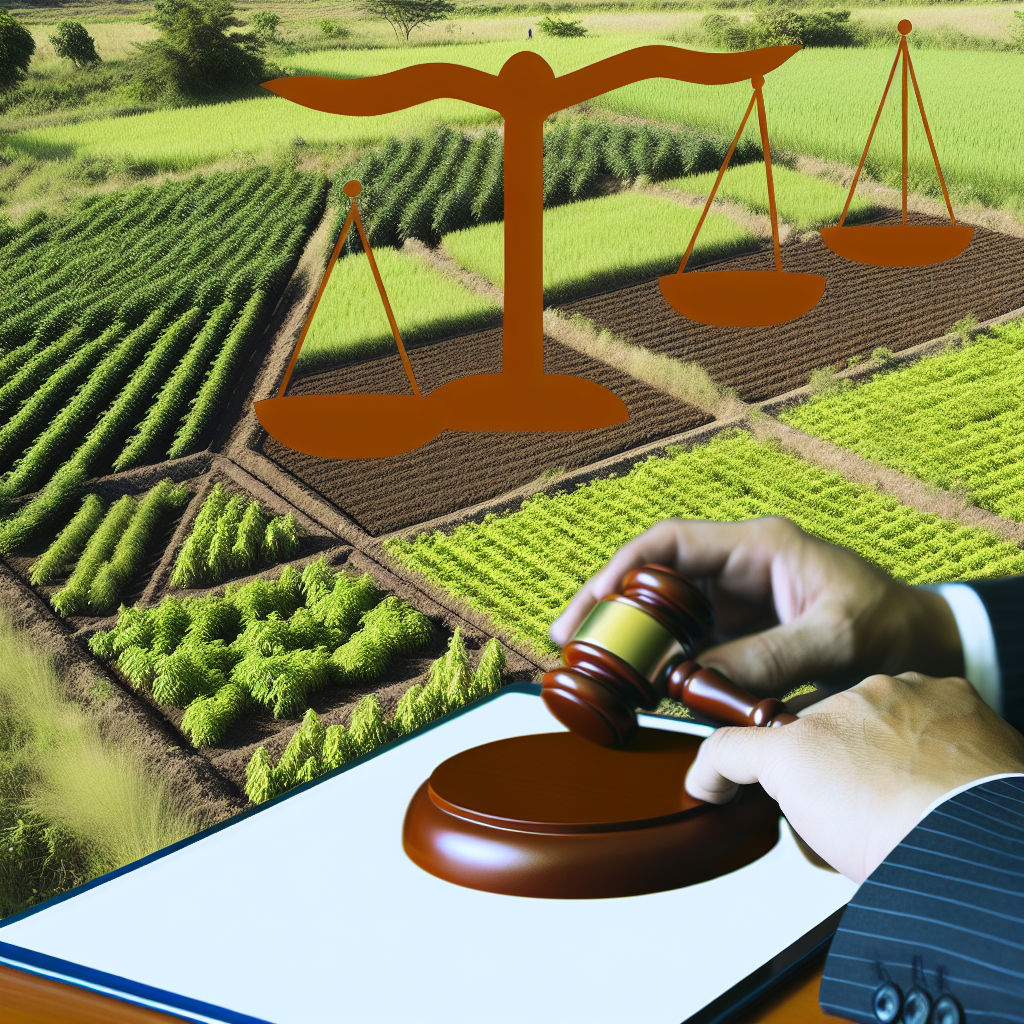
Land Use and Zoning: Legal Aspects of Agricultural Operations
Introduction
Land use and zoning are crucial components of agricultural operations, influencing how land can be developed and utilized in both urban and rural settings. Understanding the legal aspects of these regulations is essential for agricultural stakeholders aiming to navigate the complex landscape of compliance. This article explores the legalities surrounding land use and zoning for agricultural operations, emphasizing the role of effective consulting to ensure adherence to regulations. At The Consultant Global, our extensive expertise positions us as your trusted advisors in understanding these nuances within the GCC, particularly in the UAE.
The Importance of Land Use and Zoning Regulations
Land use and zoning regulations serve to manage land resources, protect the environment, and ensure optimal land development. For agricultural operations, these regulations dictate:
- The types of activities permitted on land.
- How land can be used, including restrictions on agricultural practices.
- Environmental considerations that impact farming operations.
- Efficient resource management to minimize waste and promote sustainability.
Compliance with these regulations not only fosters responsible farming practices but also helps businesses avoid legal pitfalls that can arise from non-compliance.
Understanding Zoning Classifications
Zoning classifications define the allowed uses for parcels of land. Common classifications relevant to agricultural operations include:
Agricultural Zoning
This classification typically permits activities such as crop production, livestock farming, and related businesses. However, certain agricultural zones may have limitations that require an in-depth understanding to optimize land use.
Residential and Commercial Zoning
In areas where agricultural land is adjacent to residential or commercial zones, additional zoning regulations can impact agricultural operations. This might include restrictions on noise, pollution, and the types of equipment used.
Environmental Zoning
Regulations often exist to protect natural resources, which can restrict agricultural practices that harm the environment. This includes water use, pesticide application, and land alterations near sensitive areas.
Legal Frameworks Governing Agricultural Operations
In the United States and the United Kingdom, agricultural practices are governed by a mix of federal, state, and local laws. In the UAE, the regulatory landscape is similarly structured, employing various layers of legislation.
U.S. Regulatory Landscape
In the U.S., the following legal frameworks are pertinent:
- Planning and Zoning Laws: State and local governments are empowered to enact zoning laws that can significantly impact agricultural operations.
- Land Use Regulations: These dictate how land can be developed and used, focusing on sustainable practices.
- Environmental Protection Laws: Regulations under the Environmental Protection Agency affect how farms interact with environmental resources.
U.K. Regulatory Environment
In the U.K., similar land use regulations exist:
- Town and Country Planning Acts: These provide the framework for spatial planning and zoning, impacting agricultural land use.
- Environmental Protection Acts: These guidelines mirror those in the U.S. and focus on land conservation and environmental health.
Regulatory Insights in the UAE
In the UAE, agriculture is regulated by a combination of federal and local authorities, with a strong emphasis on sustainable practices. Key areas include:
- Environmental Regulations: The UAE prioritizes eco-friendly practices and often mandates compliance with environmental standards.
- Land Use Policies: The government promotes agricultural development while enforcing land use policies that protect natural resources.
Challenges and Opportunities in Agricultural Zoning
While navigating the complex world of land use and zoning can be challenging, opportunities abound for agricultural operations that seek to align with regulations.
Challenges
- Compliance Costs: It can be expensive to ensure compliance, particularly for smaller agricultural operations.
- Complex Regulations: The overlapping laws and regulations can create confusion, leading to unintentional violations.
Opportunities
- Incentives for Sustainable Practices: Many jurisdictions offer incentives for farms that implement eco-friendly practices.
- Enhanced Marketability: Complying with regulatory requirements can enhance a farm’s reputation and marketability.
Best Practices for Compliance in Agricultural Operations
To successfully navigate land use and zoning regulations, agricultural operations should embrace best practices, including:
Regular Consultation with Experts
Engaging consultants like The Consultant Global can provide valuable insights into compliance, helping agricultural businesses align their activities with regulations while maximizing efficiency.
Staying Informed on Regulatory Changes
Regulations change frequently; staying updated is vital for compliance and operational success.
Developing Relationships with Local Authorities
Building strong relationships with local zoning and land use authorities can facilitate easier navigation of regulations and promote transparency.
Cultural Sensitivity and Diversity in Agricultural Consulting
As a consultancy firm with deep expertise in diverse cultural contexts, The Consultant Global recognizes the importance of cultural sensitivity in agricultural operations. Our multilingual team, fluent in English, Turkish, Azerbaijani, Russian, and French, allows us to communicate effectively with a wide array of stakeholders. This ability aids in bridging cultural gaps and enhances collaboration among diverse business entities.
The Consultant Global: Your Partner in Agricultural Compliance
At The Consultant Global, we pride ourselves on our ability to provide customized consultancy services that meet the unique needs of our clients, particularly in the GCC and the UAE. Our commitment to excellence drives us to ensure that our clients not only comply with legal requirements but thrive in their operational environments. With an esteemed portfolio of leading companies, we know what it takes to guide businesses through compliance challenges while maximizing opportunities for growth.
Conclusion
Land use and zoning regulations significantly impact agricultural operations, necessitating a thorough understanding of legal frameworks and best practices. As agricultural stakeholders navigate these complexities, partnering with a consultancy like The Consultant Global can provide essential insights, fostering compliance and operational success. Whether in the GCC, UAE, or beyond, we are here to ensure that your agricultural business thrives. Let us be your trusted advisors, guiding you through the intricate landscape of land use and zoning regulations to achieve fruitful outcomes.


Leave a Reply