
Ocean Governance: Legal Frameworks for Marine Resources
Introduction to Ocean Governance
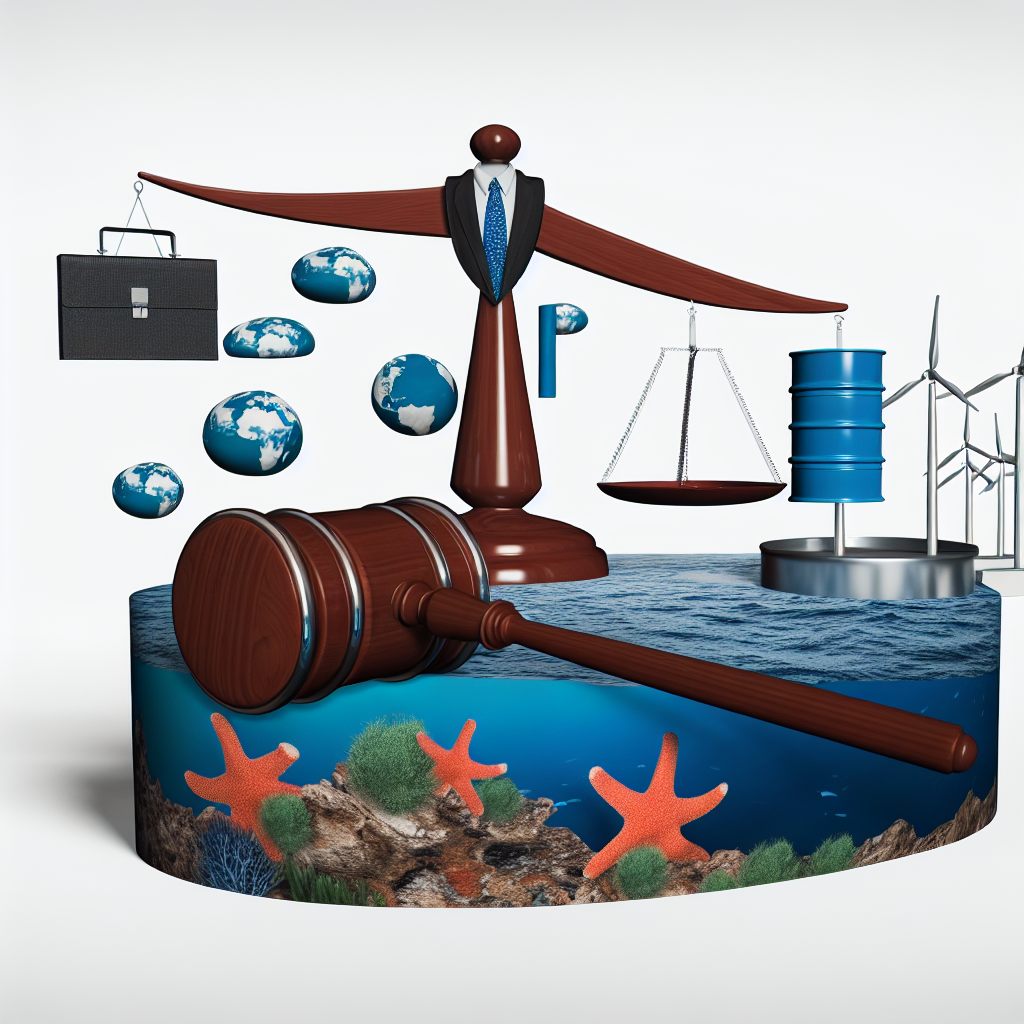
Ocean governance is a complex and dynamic field that encompasses the legal frameworks, policies, and practices designed to sustain marine resources and the ecosystems they inhabit. In an era where the oceans face unprecedented challenges due to climate change, overfishing, and pollution, effective governance is more critical than ever. This article delves into the legal frameworks governing marine resources, exploring the interplay between international, national, and local laws. At The Consultant Global, we help organizations navigate these intricate frameworks, leveraging our extensive experience and multicultural understanding to deliver tailored consultancy services that drive success.
The Importance of Legal Frameworks in Ocean Governance
Marine resources are vital not only for biodiversity and ecological balance but also for the economy and food security of many nations. Legal frameworks serve multiple purposes in ocean governance:
- Conservation and Sustainability: Safeguarding marine biodiversity and ensuring that resources are used sustainably.
- Regulation of Activities: Establishing guidelines for fishing, shipping, mining, and other marine-related activities.
- Conflict Resolution: Offering mechanisms for resolving disputes arising from overlapping jurisdictions or competing interests.
- Compliance Monitoring: Ensuring that stakeholders adhere to established regulations and standards.
International Legal Instruments Governing Marine Resources
The governance of marine resources is fundamentally shaped by several international legal instruments. These include:
United Nations Convention on the Law of the Sea (UNCLOS)
UNCLOS, often referred to as the constitution of the oceans, establishes the legal framework for maritime activities. Key aspects include:
- Territorial Waters: Definitions of sovereign rights over coastal waters.
- Exclusive Economic Zones (EEZs): Rights of coastal states to explore and exploit marine resources within 200 nautical miles from their shoreline.
- Dispute Resolution; Mechanisms for handling conflicts between nations.
Convention on Biological Diversity (CBD)
The CBD aims to conserve biological diversity, promote sustainable use, and ensure fair sharing of benefits arising from genetic resources. Its principles apply directly to marine environments, necessitating integrated management of coastal and marine ecosystems.
Regional Agreements
Many regions have established specific legal frameworks tailored to their unique marine environments. Examples include the Protocol concerning Specially Protected Areas and Wildlife (SPAW) in the Caribbean and the Convention on the Conservation of Antarctic Marine Living Resources (CCAMLR).
National Legal Frameworks and Policies
While international treaties provide a broad outline, national legal frameworks fill in the specifics based on local contexts. Countries take varied approaches to ocean governance:
Regulatory Bodies and Legislation
Most nations have designated agencies responsible for marine resource management. In the U.S., the National Oceanic and Atmospheric Administration (NOAA) plays a critical role, while the Marine Management Organisation (MMO) serves a similar purpose in the UK. Key legislative measures typically focus on:
- Fishing quotas and licensing
- Pollution control standards
- Biosafety regulations for marine organisms
Integration with Other Policies
Successful ocean governance often involves integrating marine policies with other environmental and economic frameworks, such as climate action plans and economic development strategies. This integrated approach promotes holistic management of marine resources.
Compliance and Enforcement Mechanisms
Compliance with marine governance laws is crucial. However, ensuring adherence can be challenging, due to:
- Varied capacities among nations
- Legal and jurisdictional ambiguities
- High costs of monitoring and enforcement
To strengthen compliance, frameworks often include:
Monitoring and Surveillance
Technological advancements such as satellite monitoring and drones facilitate the tracking of illegal fishing and other activities.
Penalties and Incentives
Legal frameworks frequently stipulate penalties for non-compliance, ranging from fines to loss of fishing licenses, while also promoting incentives for sustainable practices.
Challenges in Ocean Governance
Despite established frameworks, numerous challenges persist in effectively governing marine resources:
Climate Change
Rapid changes in ocean temperature and acidity are affecting marine ecosystems. Legal frameworks must adapt to address these alterations and their implications on resource distribution and species survival.
Overfishing and Resource Depletion
Global demand for seafood has led to overexploitation of many fish stocks. Effective governance is essential to establish sustainable fishing practices that balance economic needs with ecological viability.
Marine Pollution
Pollutants ranging from plastic waste to oil spills pose significant threats to marine environments. Enforcement of stringent regulations to mitigate pollution is a crucial aspect of sound ocean governance.
The Role of Stakeholders in Ocean Governance
Effective ocean governance requires collaboration among various stakeholders:
- Governments: Implementing and enforcing legal frameworks.
- Private Sector: Engaging in sustainable practices and supporting compliance.
- Civil Society: Advocacy and community-led conservation efforts.
- Scientists and Researchers: Providing evidence-based guidance for policymaking.
The Unique Position of The Consultant Global in Ocean Governance
At The Consultant Global, we recognize the intricacies of ocean governance and the importance of legal frameworks in ensuring sustainable management of marine resources. Our extensive and unique experience positions us as a trusted advisor for businesses navigating these complex waters.
With a skilled team fluent in multiple languages—including English, Turkish, Azerbaijani, Russian, and French—we bridge cultural and linguistic divides, fostering inclusive dialogue among diverse stakeholders. Our embedded values and commitment to quality ensure that we only engage in projects where we can deliver distinct value, helping your business thrive in any regulatory environment.
Conclusion
As global attention to ocean health intensifies, the need for robust legal frameworks governing marine resources is paramount. Through a combination of international treaties, national legislation, compliance mechanisms, and collaborative stakeholder engagement, we can pave the way for sustainable ocean governance. The Consultant Global stands ready to assist organizations in navigating this landscape, ensuring that they not only comply with regulations but also contribute positively to the preservation of our vital marine resources.
Together, let us embrace the challenges and opportunities presented by ocean governance for a sustainable future.


Leave a Reply