

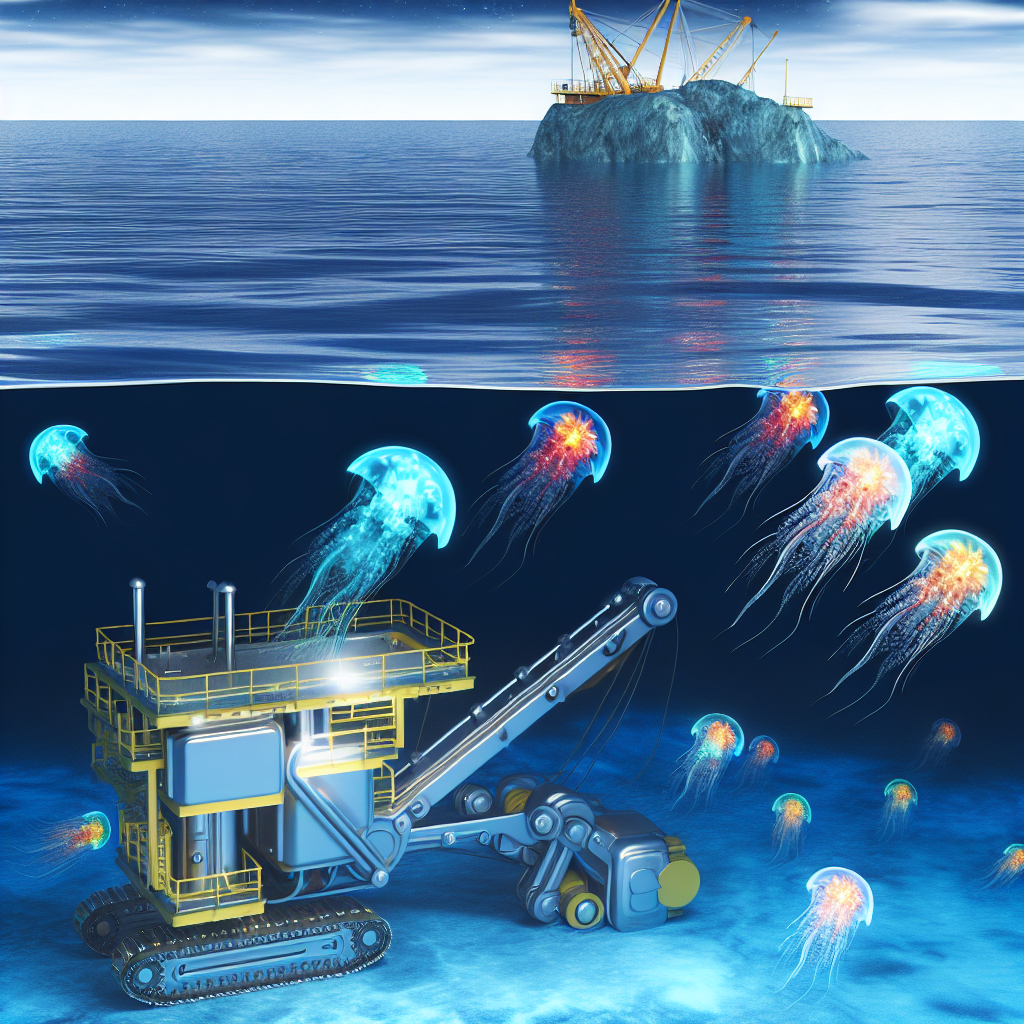
Deep-Sea Mining: Legal and Environmental Considerations
Introduction
Deep-sea mining has emerged as a vital topic in contemporary environmental and legal discussions, given the increasing demand for minerals and resources from the ocean floor. This complex issue intertwines legal regulations, environmental protection, and ethical considerations. Recognizing the significance of navigating these waters is essential for businesses and stakeholders alike. At The Consultant Global, we are dedicated to providing clarity and expertise in this arena, equipped with an extensive understanding of international, government, and private sectors.
Understanding Deep-Sea Mining
Deep-sea mining refers to the process of retrieving mineral resources from the ocean floor, which includes precious metals, polymetallic nodules, and rare earth elements. As terrestrial mineral resources dwindle, industries are turning to the ocean for sustainable solutions. However, this practice is fraught with challenges, especially from a legal and environmental standpoint.
Types of Deep-Sea Mining
- Polymetallic Nodule Mining: Extraction of minerals containing nickel, copper, cobalt, and rare earth metals.
- Seafloor Massive Sulfides (SMS): Mining of metals like gold, silver, and copper found near hydrothermal vents.
- Seafloor Sediment Mining: Harvesting sand, gravel, and other materials for construction and industrial use.
Legal Framework Governing Deep-Sea Mining
The legal framework for deep-sea mining is multifaceted and varies by region. Understanding international laws, national regulations, and regional agreements is paramount for compliance and execution. Below are key components of the regulatory landscape:
International Regulations
The United Nations Convention on the Law of the Sea (UNCLOS) establishes guidelines for deep-sea mining activities. It outlines the rights and responsibilities of nations regarding the use and protection of the ocean’s resources. UNCLOS mandates that mining operations must be conducted under the supervision of the International Seabed Authority (ISA), a body responsible for regulating mineral-related activities in the international seabed area.
National Regulations
Countries engaging in or affected by deep-sea mining often have their laws governing these activities. For instance:
- United States: The U.S. adheres to UNCLOS principles while implementing its regulations through agencies such as the National Oceanic and Atmospheric Administration (NOAA), which oversees environmental protections.
- United Kingdom: The UK has established its regulatory framework to manage deep-sea mining, ensuring compliance with environmental and licensing regulations.
- United Arab Emirates: The UAE is developing its own regulations in line with global practices, focusing on sustainability and maritime environmental protection.
Environmental Considerations
The environmental impact of deep-sea mining is substantial, raising concerns over marine ecosystems and biodiversity. Various studies indicate that the environmental risks associated with these operations can be severe.
Potential Environmental Impacts
- Ecosystem Disruption: Deep-sea mining can lead to habitat destruction, affecting species that rely on these ecosystems for survival.
- Pollution: Mining activities can introduce toxic substances into the ocean, severely impacting marine life.
- Noise Pollution: The machinery used in these operations produces significant noise, which can disturb marine creatures and their behaviors.
- Long-term Consequences: The repercussions of deep-sea mining activities can last for decades, leaving ecosystems vulnerable to irreversible damage.
Mitigating Environmental Risks
To address the environmental concerns surrounding deep-sea mining, industry stakeholders must adopt best practices, including:
- Environmental Impact Assessments (EIAs): Conduct thorough assessments before beginning any operations to evaluate potential impacts systematically.
- Implementing Technologies: Utilize new technologies to minimize disturbances and improve resource recovery efficiency.
- Adopting Sustainable Practices: Focus on best practices that prioritize environmental sustainability in operations.
Building a Compliance Culture in Deep-Sea Mining
To navigate the complexities of legal and environmental landscapes, organizations engaged in deep-sea mining must cultivate a robust compliance culture. This involves integrating ethical practices into corporate strategies and ensuring adherence to regulations. Key components include:
Training and Awareness
Organizations should provide regular compliance training to employees, ensuring a comprehensive understanding of legal requirements and ethical practices in deep-sea mining.
Stakeholder Engagement
Engaging with stakeholders is vital. Operations should inform and involve local communities, environmental groups, and regulatory bodies in decision-making processes to foster transparency and trust.
Monitoring and Reporting
Establishing transparent monitoring systems and reporting protocols enhances accountability, ensuring that environmental impact and compliance measures are regularly reviewed and improved.
Future of Deep-Sea Mining: Balancing Economic Growth and Environmental Sustainability
The economic prospects of deep-sea mining are considerable; however, they must be weighed against the responsibilities we hold toward marine ecosystems. The challenge lies in balancing the economic benefits with sustainable practices that protect our oceans. The role of consultants like The Consultant Global becomes pivotal in guiding organizations through this complex landscape.
Innovation and Sustainable Practices
The future will require innovative approaches to resource extraction that respect environmental limits while driving economic recovery. Embracing new technologies and sustainable practices is essential for the long-term viability of deep-sea mining.
Collaborative Efforts
Collaboration among governments, companies, and environmental organizations is critical to ensure that deep-sea mining can contribute positively to the global economy without jeopardizing marine biodiversity. Creating strategic partnerships can help develop solutions that align with sustainable development goals.
Conclusion
Deep-sea mining presents both opportunities and challenges within the legal and environmental domains. As demand for marine resources increases, the importance of comprehensive regulatory frameworks and sustainable practices becomes imperative. Organizations must prioritize compliance, engage stakeholders, and invest in innovative solutions to navigate this complex landscape successfully.
At The Consultant Global, we embody our commitment to providing our clients with unparalleled consultancy services that marry legal acumen with deep-rooted environmental ethics. Our diverse language skills and extensive experience in multi-cultural environments uniquely position us to offer insights that truly resonate. As we work towards being a trusted advisor across the GCC, we are poised to help guide your business through the complexities of deep-sea mining, ensuring that you meet both legal obligations and sustainability goals. Together, we can achieve success while protecting our precious marine resources.


Leave a Reply