
Reputation Risk in Financial Services: Ethical Conduct as a Shield
Introduction
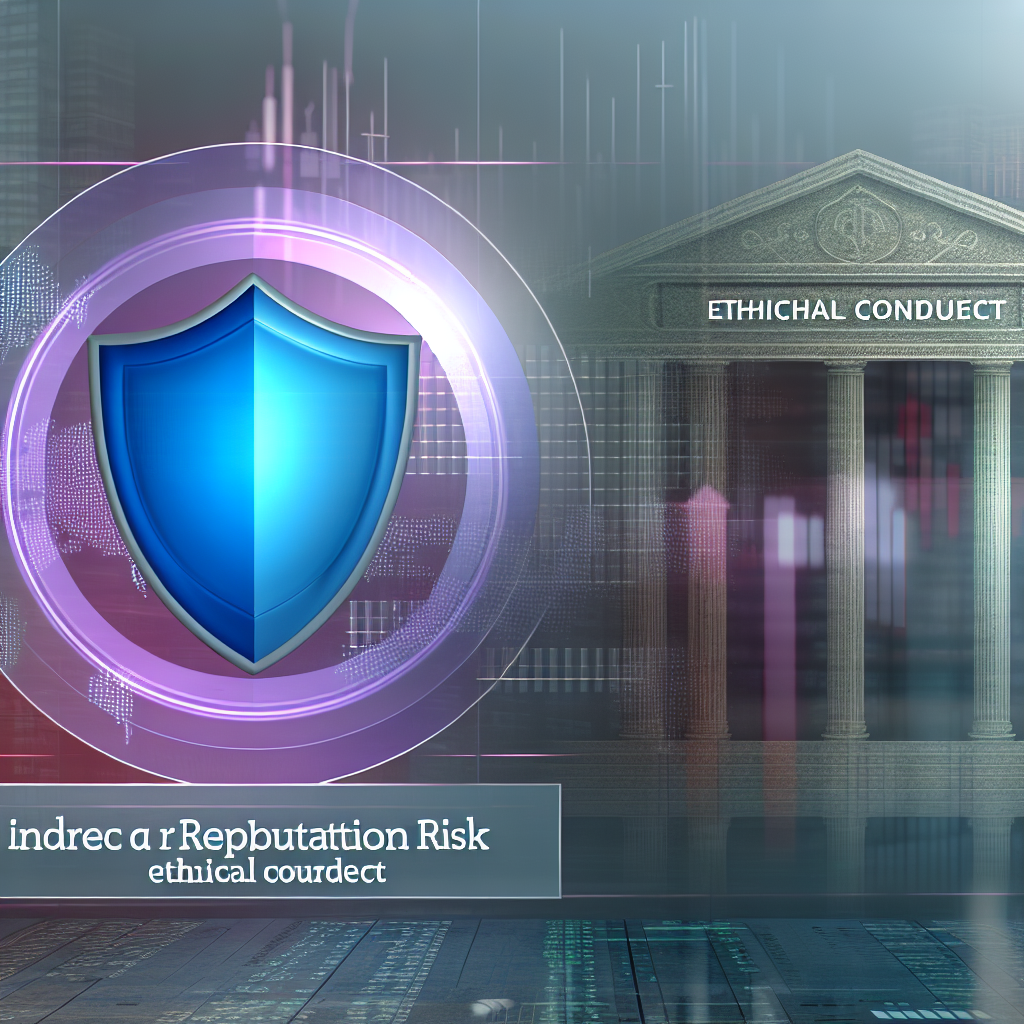
In the ever-evolving landscape of financial services, reputation risk has emerged as a critical concern that organizations cannot afford to ignore. With stakeholders more informed than ever, maintaining ethical conduct is not just a regulatory obligation but a shield against reputational damage. In this article, we explore the intricate relationship between ethics, compliance, and reputation risk in the financial sector, while positioning The Consultant Global as your trusted partner in navigating these complex challenges.
The Landscape of Reputation Risk
Reputation risk refers to the potential loss a company faces if stakeholders lose confidence in its decisions, actions, or business practices. In financial services, where trust is paramount, even minor missteps can have severe repercussions. Factors contributing to reputation risk include:
- Regulatory Scrutiny: Financial institutions operate under a watchful eye, with regulations tightening across borders. Non-compliance can lead to hefty fines and reputational damage.
- Public Perception: The rise of social media means that news—good or bad—spreads instantaneously. A single negative incident can amplify quickly, impacting an organization’s image.
- Stakeholder Expectations: Investors, customers, and employees expect transparency and ethical behavior. Any deviation can lead to erosion of trust and loyalty.
Understanding Ethical Conduct
At its core, ethical conduct is defined by adherence to moral principles and professional standards. In financial services, it encompasses various aspects, including:
- Integrity: Conducting business honestly and transparently is non-negotiable. Integrity builds the foundation of trust.
- Accountability: Organizations must take responsibility for their actions and decisions. This involves transparency in reporting to stakeholders.
- Fairness: Ensuring fair treatment for all customers and employees fosters a positive corporate culture and helps in reputation management.
The Role of Compliance Programs
Adopting a robust compliance program is essential for mitigating reputation risk. A well-designed compliance framework includes:
- Risk Assessment: Regularly evaluating operational risks helps organizations to identify and address potential reputational challenges proactively.
- Training and Education: Continuous training on ethical standards and compliance regulations ensures employees are equipped to make informed decisions.
- Monitoring and Auditing: Systems should be in place for ongoing monitoring of compliance efforts and addressing any breaches swiftly.
Embedding Ethics in Corporate Culture
For ethical conduct to be effective as a shield against reputation risk, it must be embedded within the corporate culture. Key strategies to achieve this include:
- Leadership Commitment: Ethical conduct should be championed from the top. Leaders must model ethical behavior to set the tone for the organization.
- Open Communication: Encourage an environment where employees can voice concerns without fear of retaliation. This fosters transparency and trust.
- Incentivizing Ethical Behavior: Recognizing and rewarding ethical conduct drives employee engagement and reinforces the importance of ethics.
Case Studies: Lessons from Financial Services
Real-world examples highlight the impact of ethical conduct on reputation risk management:
- Preventing Financial Scandals: Companies that proactively address anomalies often mitigate larger crises. For instance, organizations that prioritize ethical reporting have been observed to recover faster from incidents.
- Restoring Trust: When faced with reputational damage, companies that openly acknowledge mistakes and communicate their corrective actions tend to rebuild trust more effectively.
The Role of Compliance Technology
Integrating technology into compliance processes enhances the effectiveness of reputation risk management:
- Data Analytics: Advanced analytics tools can predict and identify potential compliance breaches before they escalate, allowing for timely interventions.
- Reporting Software: Robust reporting tools ensure transparency and can streamline compliance reporting, making communication with stakeholders more efficient.
The Consultant Global: Your Trusted Advisor
At The Consultant Global, we excel in providing comprehensive consultancy services that recognize the critical intersection of ethics, compliance, and reputation risk. Our extensive and unique experience in international, government, and private sectors allows us to assess client needs accurately and advise accordingly. We pride ourselves on our ability to work in diverse cultural environments, especially in the GCC and UAE regions, where we strive to become a trusted advisor for businesses seeking to enhance their compliance frameworks and ethical standards.
Language Skills and Cultural Insights
Our team’s fluency in multiple languages, including English, Turkish, Azerbaijani, Russian, and French, positions us uniquely to navigate the complexities of multicultural environments. This linguistic capability, combined with our cultural insights, allows us to engage effectively with clients and stakeholders across the globe, ensuring that we translate compliance and ethical standards into actionable strategies that resonate within varied contexts.
Conclusion
Reputation risk in financial services is a multifaceted challenge that requires an unwavering commitment to ethical conduct and compliance. By embedding ethics into corporate culture and leveraging technology, organizations can shield themselves against reputational damage. At The Consultant Global, we are dedicated to helping businesses navigate these complexities, making us uniquely positioned in the GCC and UAE markets. Together, we can build a resilient framework that not only protects but enhances your organization’s reputation for years to come.


Leave a Reply