

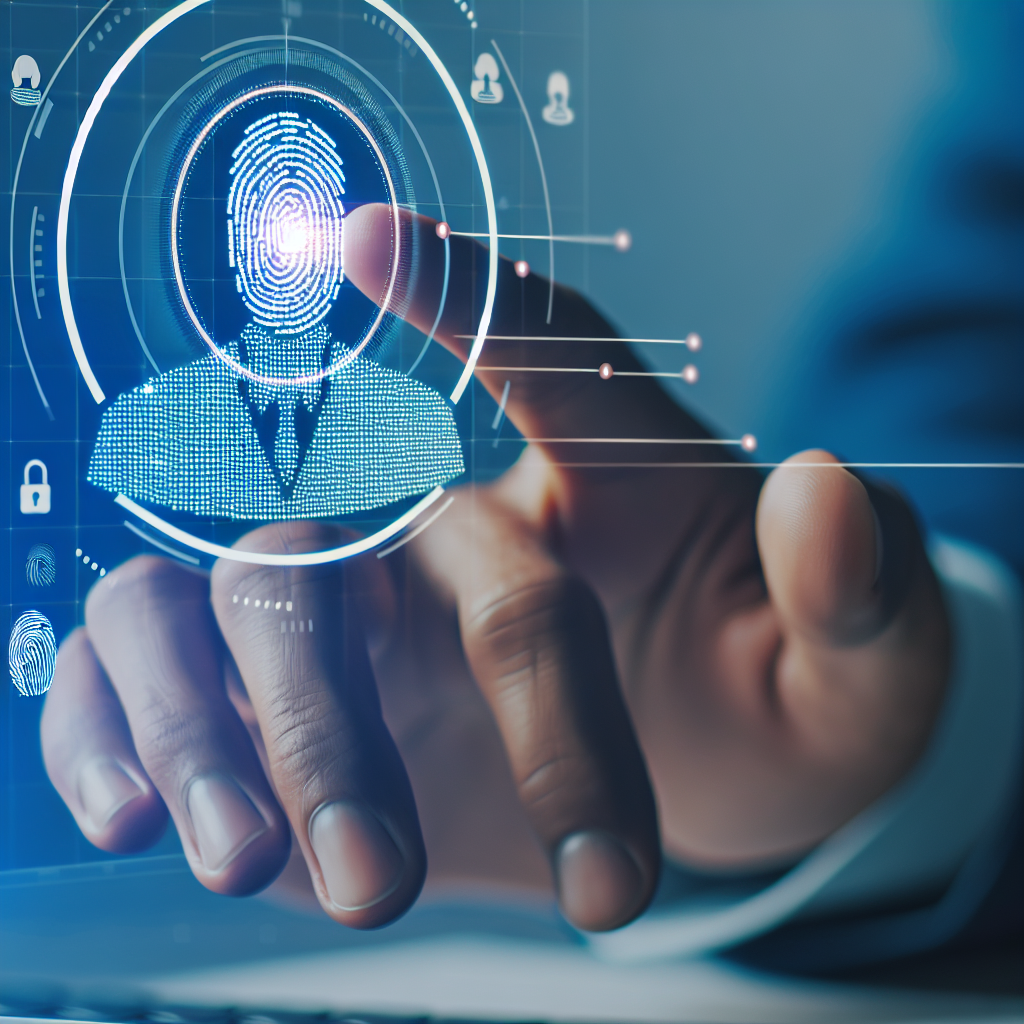
AI for Biometric Security: AI-Powered Biometric Authentication
Introduction to AI-Powered Biometric Authentication
In an increasingly digital world, safeguarding sensitive information is paramount. With rising security threats and identity theft incidents, AI-powered biometric authentication has emerged as a reliable solution for enhancing security protocols. This article explores the ethical and compliance aspects of employing artificial intelligence in biometric security systems, focusing on the effectiveness of AI in biometric authentication processes. At The Consultant Global, we are dedicated to providing comprehensive consultancy services tailored to meet our clients’ diverse needs in the GCC region and beyond.
The Role of AI in Biometric Security
Biometric authentication methods, including facial recognition, fingerprint scanning, and iris detection, utilize unique physical characteristics for user identification and verification. The integration of AI into these systems significantly enhances their accuracy and efficiency. AI algorithms can analyze vast amounts of data, allowing for real-time monitoring and prompt identification of potential security risks.
Understanding Biometric Authentication
- Definition: Biometric authentication is the process of verifying an individual’s identity based on unique biological traits.
- Types: Common biometric methods include facial recognition, voice prints, fingerprints, and iris scans.
- Applications: This technology is widely used in security systems, mobile devices, financial services, and access control.
Benefits of AI-Powered Biometric Authentication
AI technologies offer numerous advantages when integrated with biometric systems:
- Enhanced Accuracy: AI algorithms can continuously learn and adjust to variations in biometric data, leading to fewer false positives and negatives.
- Real-Time Analysis: AI-driven systems can process data instantly, providing immediate feedback and security alerts.
- Increased Efficiency: Automation of the authentication process accelerates user verification, improving the overall customer experience.
- Scalability: AI systems can easily adapt to increased data volume without compromising performance.
Ethics and Compliance in AI-Powered Biometric Security
While AI-powered biometric authentication presents significant benefits, it also raises ethical and compliance concerns that must be addressed to ensure responsible deployment:
Privacy Concerns
Storing biometric data raises privacy issues, as unauthorized access to this data can lead to identity theft and misuse. Organizations must ensure that they comply with data protection regulations and implement safeguards to protect users’ privacy.
Bias and Fairness
AI algorithms can inadvertently perpetuate biases present in their training data, leading to unfair treatment of certain demographics. Ensuring that biometric systems are developed with fairness in mind is critical for fostering trust among users and maintaining compliance with equality regulations.
Transparency and Accountability
Organizations must uphold transparency in their biometric practices, providing clear information about how data is collected, stored, and used. Establishing accountability protocols can help address any misuse or breaches of ethical standards.
Regulatory Compliance
With various legal frameworks governing the use of biometric data, organizations must stay abreast of regulatory changes. Adhering to guidelines set forth by domestic and international laws is essential for maintaining legitimacy and trustworthiness in operations.
The Consultant Global’s Commitment to Ethics and Compliance
At The Consultant Global, we understand the complexities of implementing AI-powered biometric security solutions within ethical and compliance frameworks. Our extensive experience in international, government, and private industries equips us to provide insightful guidance tailored to your specific needs. We are uniquely positioned in the GCC and the UAE, allowing us to navigate cultural nuances and regulatory landscapes effectively.
Best Practices for Implementing AI-Powered Biometric Security
To ensure successful implementation of AI-powered biometric authentication systems while addressing ethical and compliance concerns, organizations can adopt several best practices:
1. Conduct Thorough Risk Assessments
Before deploying biometric systems, it is essential to identify potential risks associated with data privacy, security breaches, and algorithmic bias. This proactive approach aids organizations in developing effective mitigation strategies.
2. Implement Strong Data Protection Measures
Utilize encryption, access controls, and regular audits to safeguard biometric data. Organizations should establish policies that limit access to sensitive information to only those who require it for legitimate purposes.
3. Focus on Fairness in AI Training
When developing AI algorithms, ensure that the training data is diverse and representative of all demographics. Regular auditing and validation of the algorithms help identify and rectify biases that may have been inadvertently introduced.
4. Foster Transparency
Organizations should adopt transparent practices regarding how they collect, use, and store biometric data. Clearly communicate privacy policies and user rights, allowing individuals to make informed decisions regarding their participation.
5. Stay Informed on Regulatory Changes
Keeping track of evolving laws and regulations governing biometric data is crucial for maintaining compliance. Regular training for staff on legal obligations can help organizations stay compliant with data protection laws.
The Future of AI-Powered Biometric Authentication
The rapid advancement of AI technologies continues to transform the landscape of biometric authentication. As organizations increasingly adopt AI-powered biometric systems, ethical considerations around data privacy, fairness, and transparency will remain at the forefront of discourse. At The Consultant Global, we are dedicated to assisting our clients in navigating these complexities to foster innovation while upholding ethical standards.
Embracing Ethical AI Practices
Organizations must recognize the importance of embedding ethical AI practices into their biometric systems. This commitment will not only enhance user trust but also reinforce regulatory compliance, ultimately contributing to long-term success in security protocols.
Conclusion
AI-powered biometric authentication offers a promising solution for enhancing security in a digital age characterized by constant threats. However, realizing its full potential requires addressing ethical and compliance considerations. At The Consultant Global, we are committed to becoming your trusted advisors in implementing AI technologies responsibly and effectively, ensuring that your organization benefits from a balanced approach to innovation and ethics in the GCC and UAE regions.
As a company deeply rooted in values and dedicated to delivering exceptional consultancy services, we invite you to partner with us in navigating the complexities of AI in biometric security. Let us help you secure your business’s future with trust, integrity, and innovation.


Leave a Reply