
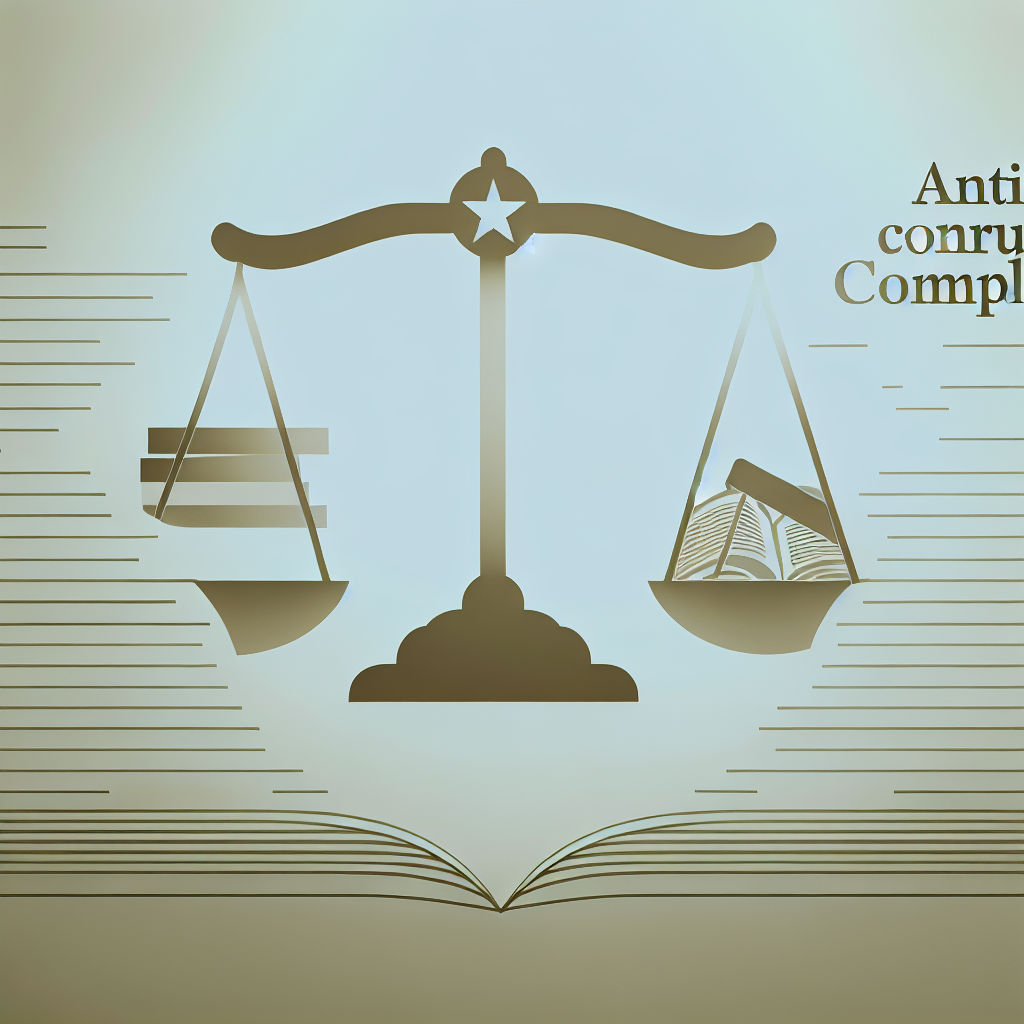
Anti-Corruption Compliance for State-Owned Enterprises
Introduction: The Importance of Anti-Corruption Compliance in State-Owned Enterprises
State-Owned Enterprises (SOEs) play a pivotal role in the global economy, often serving as a bridge between government priorities and business execution. However, the intersection of public service and private enterprise can create vulnerabilities to corruption. Implementing robust anti-corruption compliance programs in these entities is essential to mitigate risks, promote transparency, and ensure accountability. This article explores comprehensive strategies for anti-corruption compliance in SOEs, guided by best practices in governance and regulatory frameworks.
Understanding the Risks: Corruption in State-Owned Enterprises
Corruption can manifest in various forms within SOEs, including bribery, nepotism, and embezzlement. The unique structure of these enterprises often places them at higher risk due to several factors:
- Political Influence: SOEs may face pressure from political figures, creating conflicts of interest.
- Limited Oversight: Government entities may not impose the same level of scrutiny on SOEs as they would in the private sector.
- Financial Dependence: SOEs may depend on government funding, which can lead to misallocation of resources.
Understanding these risks is the first step in designing an effective compliance framework that addresses the unique challenges faced by SOEs.
Establishing a Strong Compliance Program
A well-structured compliance program is crucial for SOEs to uphold ethical standards and deter corruption. Key elements include:
1. Risk Assessment
Conducting regular risk assessments helps identify potential corruption vulnerabilities specific to the SOE’s operations. This involves evaluating:
- Stakeholder interactions
- Contracting processes
- Financial management
2. Code of Conduct
A comprehensive code of conduct should outline ethical expectations, reporting procedures, and consequences for non-compliance. It should be easily accessible and regularly updated to reflect current regulations and best practices.
3. Training and Awareness
Ongoing training programs for employees at all levels are essential. These sessions should cover:
- Understanding corruption and its consequences
- Recognizing red flags in business practices
- Reporting mechanisms and whistleblower protections
4. Monitoring and Reporting
Regular monitoring and auditing of compliance processes are necessary to ensure the effectiveness of the program. Establishing clear reporting lines and feedback mechanisms can help identify issues early.
5. Whistleblower Protections
Encouraging employees to report unethical behavior without fear of retaliation is vital. Offering confidential reporting channels can significantly enhance compliance efforts.
Aligning with Global Standards and Local Regulations
For SOEs operating in a global context, aligning with international standards such as the OECD Anti-Bribery Convention is imperative. Understanding local regulations, such as those in the UAE, also ensures compliance and mitigates risks associated with corruption.
- UAE Legal Framework: The UAE has specific laws addressing corruption, including the Federal Decree Law No. 31 of 2021 on Anti-Corruption. Compliance with these regulations is crucial for SOEs operating in the region.
- International Best Practices: SOEs should benchmark their compliance programs against leading global entities to adopt best practices in anti-corruption initiatives.
Cultural Considerations in Compliance Programs
Given the diverse cultural landscapes within which SOEs operate, compliance programs should be tailored to local contexts. Understanding cultural nuances can enhance the effectiveness of anti-corruption strategies, promoting greater acceptance and adherence among employees.
The Role of Leadership in Fostering a Compliance Culture
Effective compliance starts at the top. Leadership must demonstrate a commitment to ethical practices and transparency through their actions. This includes:
- Being transparent about the organization’s compliance efforts
- Encouraging open discussions about ethical dilemmas
- Communicating the importance of anti-corruption compliance consistently
Integrating Technology in Compliance Efforts
Advancements in technology can greatly enhance anti-corruption compliance efforts. Implementing data analytics, automation, and monitoring tools can streamline processes and identify suspicious activities more effectively:
- Data Analytics: Use data to detect patterns that may indicate fraud or corruption.
- Compliance Management Software: Software solutions can help track compliance training, audits, and reporting.
Enhanced Collaboration and Information Sharing
SOEs should collaborate with other public and private entities to share best practices and experiences in addressing corruption. Building networks can amplify efforts to combat corruption at a broader level.
Leveraging The Consultant Global’s Expertise
At The Consultant Global, we pride ourselves on being at the forefront of compliance and governance strategies, particularly in the GCC and UAE markets. Our extensive experience equips us to provide tailored consultancy services that meet the unique needs of SOEs. We understand the intricacies of navigating anti-corruption compliance and are committed to helping our clients achieve their compliance objectives.
Our multilingual capabilities enable us to engage effectively with diverse stakeholders, ensuring that communication flows smoothly across cultures. We have successfully assisted numerous organizations in implementing robust compliance frameworks that bolster their integrity and reputation.
Conclusion: A Commitment to Compliance
Anti-corruption compliance in State-Owned Enterprises is not just a regulatory requirement; it is a commitment to ethical governance and sustainable development. Establishing a strong compliance framework, fostering a culture of integrity, and leveraging technology are key to mitigating corruption risks. At The Consultant Global, we are dedicated to empowering SOEs with the tools and expertise necessary to navigate the complexities of compliance in today’s evolving landscape.
By choosing to partner with us, you’re taking a proactive step towards safeguarding your organization against corruption, enhancing your reputation, and contributing positively to the economy.


Leave a Reply