
Community Relations and Social License: Legal and Ethical Imperatives
Introduction
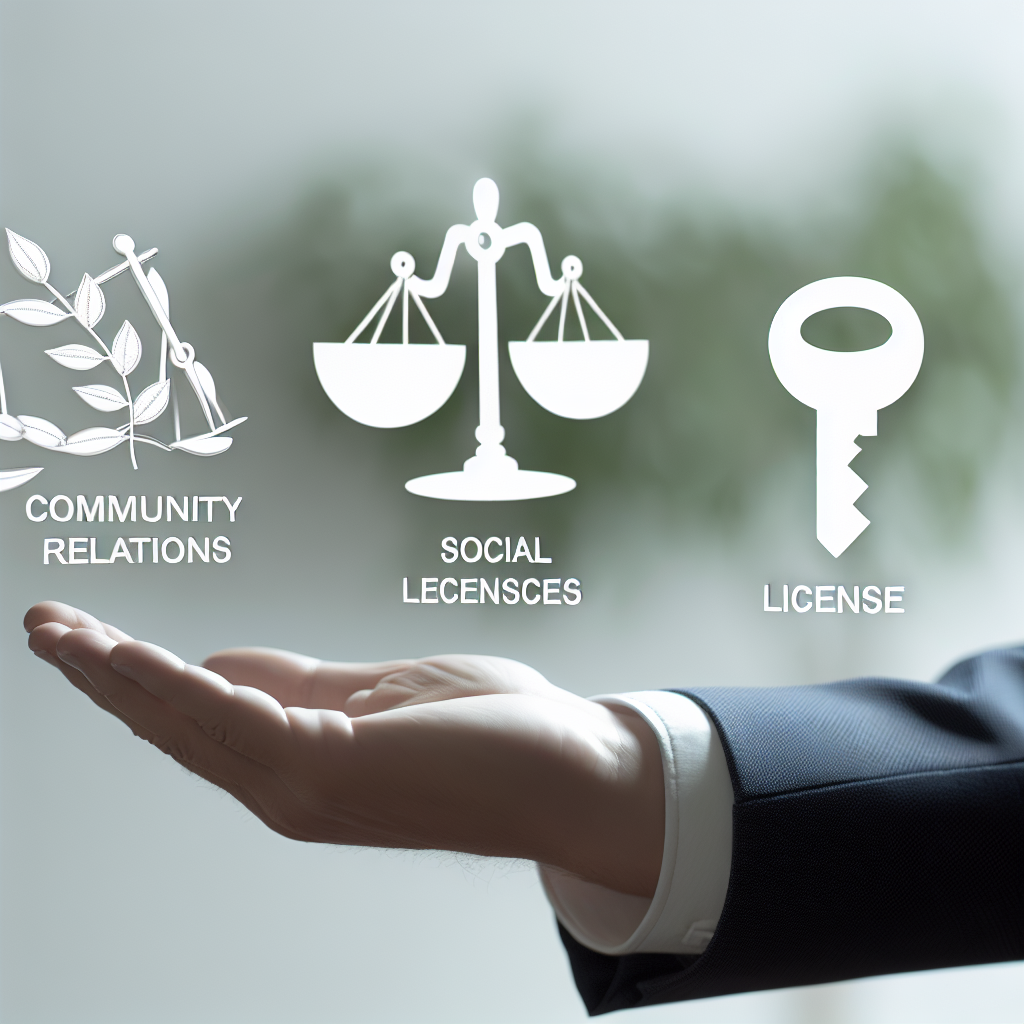
In today’s dynamic business landscape, understanding the intricate relationship between community relations and social license is more crucial than ever. This ongoing dialogue between businesses and the surrounding communities shapes not only public perception but also influences compliance with legal and ethical standards. The Consultant Global recognizes the importance of fostering robust community relations and upholding social license as fundamental elements of successful corporate strategy. Through this article, we aim to delve into the legal and ethical imperatives surrounding community relations and social license, offering insights that can guide organizations in navigating this complex terrain.
The Concept of Social License
Social license refers to the ongoing approval and acceptance of a project or organization by the local community and stakeholders. Unlike governmental permits and regulatory approvals, social license is intangible but equally vital for sustainable business operations. It is built on trust, transparency, and ongoing engagement. Companies that understand the significance of social license not only enhance their reputation but also align their operations with community expectations, subsequently minimizing risks and fostering goodwill.
Building Trust Through Community Engagement
Building trust is a multi-faceted endeavor that requires a strategic approach to community engagement:
- Listen Actively: Engage with community stakeholders through various channels such as town halls, surveys, and focus groups. Understand their concerns and expectations.
- Communicate Transparently: Share information regarding operations, potential impacts, and benefits with the community. Transparency breeds trust.
- Incorporate Feedback: Use community feedback to inform business practices and project decisions. Showing that their input matters is crucial for establishing credibility.
Legal Frameworks Governing Community Relations
Organizations operating within the GCC and UAE must navigate various legal frameworks that govern community relations. Compliance with both local and international regulations is essential to maintain operational legitimacy and uphold social license.
Understanding Regulatory Requirements
Before establishing operations, companies should conduct a thorough analysis of applicable laws and regulations concerning community engagement, environmental protection, labor rights, and corporate social responsibility (CSR).
- Environmental Impact Assessments (EIA): Many countries mandate EIAs as part of the legal framework. Businesses must assess and communicate the potential environmental impacts of their projects.
- Labor Laws: Upholding labor rights is fundamental to fostering positive community relations. Understanding local labor laws and ensuring fair treatment of workers can help mitigate potential conflicts.
- Community Development Obligations: Companies are often expected to invest in community development initiatives, which can enhance their social license while contributing to local welfare.
The Ethical Imperatives of Community Relations
Beyond legal compliance, ethical considerations play a pivotal role in shaping community relations strategies. Organizations must reflect on their values and the impact of their operations on local communities.
Prioritizing Ethical Conduct
Ethical business practices are influential in cultivating a social license. Key components include:
- Corporate Social Responsibility (CSR): Embracing CSR initiatives aligns with communities’ needs and expectations, extending beyond mere compliance.
- Gender Equality and Inclusion: Organizations must strive for inclusivity, ensuring that marginalized voices within the community are heard and involved.
- Environmental Stewardship: A commitment to reducing environmental footprints and promoting sustainable practices enhances corporate reputation, resonating positively with communities.
Case Studies: Successful Community Engagement
Learning from organizations that have successfully engaged with their communities can provide valuable insights. Consider instances where prolonged dialogue resulted in mutually beneficial agreements, fostering sustainable practices while bolstering community trust. Cookie-cutter approaches often fall short; however, customized strategies based on local context can yield powerful results.
Navigating Cultural Diversity in the GCC and UAE
The Consultant Global is uniquely positioned in the GCC and UAE, adeptly navigating the complexities of cultural diversity. Our extensive experience in international, government, and private sectors equips us to understand the nuances of community relations in multicultural environments. Our multilingual capabilities enable us to communicate effectively across diverse communities, fostering deeper connections and more significant trust.
Embracing Inclusion and Diversity
Recognizing and valuing diversity is vital for companies operating in the GCC. Key strategies include:
- Engaging Local Leaders: Partnering with local leaders helps bridge cultural gaps and ensures that initiatives resonate with the community’s values.
- Hosting Cultural Awareness Workshops: Engaging employees in cultural awareness initiatives fosters mutual respect and understanding within multicultural teams.
- Tailoring Communication Strategies: Customize outreach efforts to consider the linguistic and cultural backgrounds of various community stakeholders.
Measuring Success: Metrics for Community Relations
Evaluation is a core aspect of effective community relations strategies. Organizations should establish metrics to track their engagement efforts’ impact on social license and community perceptions.
Key Performance Indicators (KPIs)
Consider the following KPIs to measure the effectiveness of your community relations initiatives:
- Stakeholder Surveys: Regular surveys can help assess community perceptions and satisfaction levels.
- Participation Rates: Monitor community participation in outreach events to gauge engagement levels.
- Social Media Sentiment: Analyzing social media interactions can reveal public sentiment towards the organization.
Conclusion
The interplay between community relations and social license is vital for organizations aiming to thrive in today’s business environment. By prioritizing legal compliance and ethical imperatives, companies can create meaningful connections with their communities while enhancing their overall reputation. The Consultant Global is committed to empowering businesses with our unique understanding of the GCC market, extensive experience across various sectors, and cultural fluency. We are here to help organizations navigate the complexities of community relations, ensuring that they become trusted advisors in their respective industries. Together, we can build lasting relationships that foster a strong social license and contribute to sustainable business success.


Leave a Reply