
Compliance Audits: Assessing and Improving Legal Frameworks
Introduction
In today’s complex regulatory environment, compliance audits play a vital role in assessing and improving legal frameworks within organizations. These audits ensure adherence to laws and regulations, mitigate risks, and enhance operational efficiency. For businesses aiming to navigate the intricacies of compliance, understanding the significance of these audits is essential. At The Consultant Global, we provide specialized consultation services that equip organizations to thrive amidst these challenges. Our extensive expertise and multicultural approach uniquely position us to deliver exceptional value to businesses across the GCC and UAE.
Understanding Compliance Audits
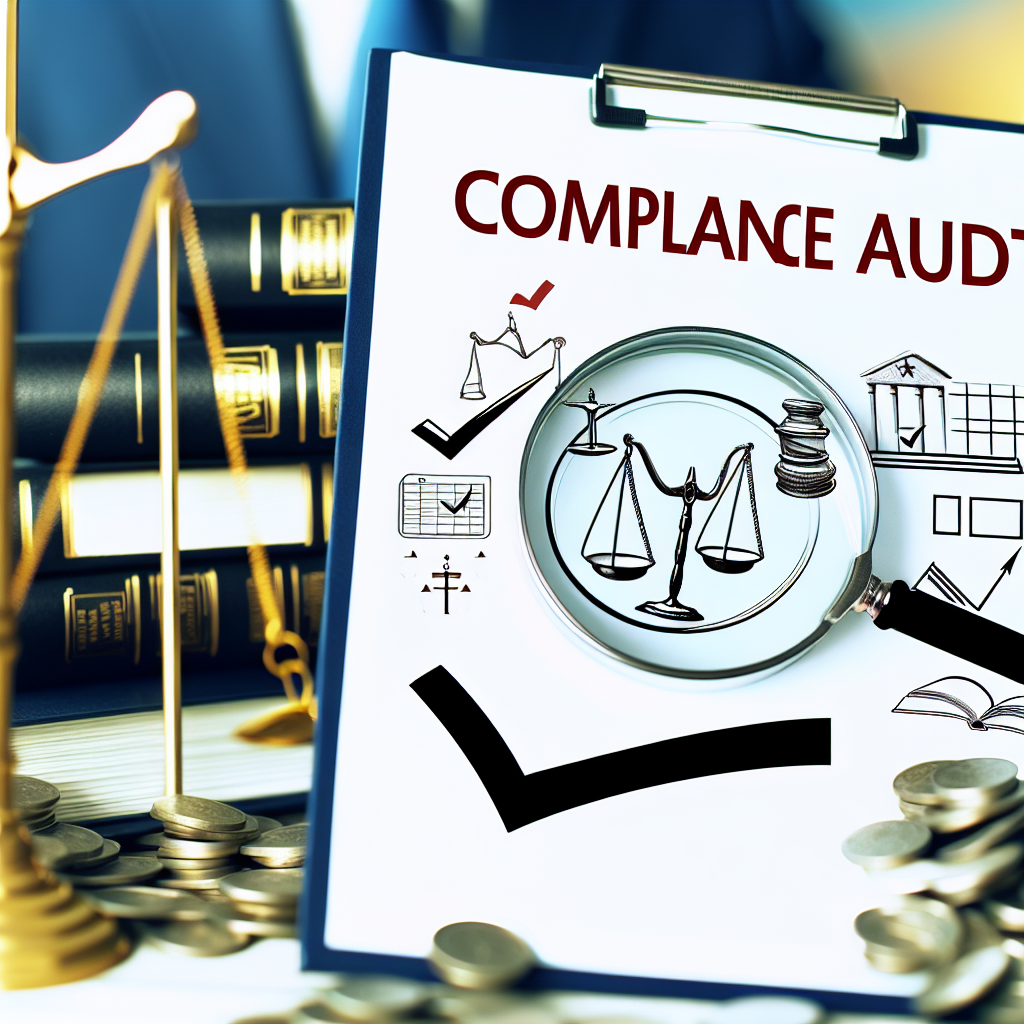
Compliance audits are systematic evaluations of an organization’s adherence to external regulatory requirements or internal policies and procedures. These audits are not just about identifying compliance breaches; they are integral to strengthening legal frameworks, promoting ethical conduct, and ensuring corporate governance. Here are some critical aspects of compliance audits:
The Importance of Compliance Audits
- Risk Mitigation: By identifying areas of non-compliance, organizations can address potential risks before they escalate into legal issues.
- Enhancing Reputation: A strong compliance framework enhances an organization’s reputation, fostering trust among clients, investors, and stakeholders.
- Operational Efficiency: Regular audits help streamline processes, leading to improved productivity and cost savings.
- Regulatory Preparedness: Organizations are better prepared for future regulatory changes when they maintain continuous compliance assessments.
Building an Effective Compliance Framework
A solid compliance framework is essential for any organization. Here are several elements that contribute to building an effective legal compliance structure:
1. Clear Policies and Procedures
Organizations need to develop comprehensive compliance policies that outline expectations, protocols, and procedures. This ensures that all employees understand their responsibilities concerning compliance.
2. Regular Training and Awareness Programs
Training sessions and workshops play a crucial role in instilling a culture of compliance. By ensuring that all personnel are aware of and understand legal requirements, organizations can minimize unintentional violations.
3. Monitoring and Continuous Improvement
Compliance is an ongoing process. Organizations should implement monitoring programs that allow them to track compliance activities and identify areas for improvement. Continuous assessment helps adapt to changes in regulations or business operations.
4. Leadership Commitment
Top management must demonstrate a commitment to compliance. This can be achieved by establishing a compliance officer role and involving leadership in compliance initiatives to reinforce their importance throughout the organization.
Conducting Compliance Audits: A Step-by-Step Approach
To effectively conduct compliance audits, organizations should follow a systematic approach:
1. Define the Scope
Clearly outline which areas of compliance will be assessed. This may include financial regulations, environmental laws, or industry-specific standards.
2. Gather Data and Information
Collect relevant documents, policies, and records that will provide insight into the existing compliance framework. Use surveys and interviews with employees to gather additional perspectives.
3. Execute the Audit
Utilize checklists and assessment tools to evaluate compliance against established regulations and internal policies. This may involve observing processes, reviewing records, and conducting interviews.
4. Analyze Findings
Identify areas of non-compliance and assess the associated risks. Classify findings to prioritize which issues need immediate attention based on their potential impact on the organization.
5. Communicate Outcomes
Present the findings to management and relevant stakeholders. Recommend actionable solutions to address issues identified during the audit and highlight areas of strength as well.
6. Implement Changes
Ensure that the recommended changes are put into practice. Create an action plan with clear timelines and assign responsibilities to ensure accountability.
7. Review and Monitor
Post-audit, establish a monitoring process to track the effectiveness of implemented changes. Regular follow-ups will ensure that the organization stays compliant and can adapt as required.
Challenges in Compliance Audits
While conducting compliance audits, organizations may face various challenges, including:
- Lack of Resources: Organizations, especially small and medium-sized enterprises (SMEs), may struggle with limited resources or expertise to conduct thorough audits.
- Complex Regulations: Keeping up with evolving regulations, especially across different jurisdictions, can be overwhelming.
- Cultural Resistance: Employees may perceive audits as punitive rather than as a means for improvement, leading to resistance.
Enhancing Compliance through Technology
Incorporating technology into compliance processes can enhance efficiency, accuracy, and monitoring capabilities. Here is how organizations can leverage technology:
1. Compliance Management Software
Invest in compliance management software that automates monitoring and reporting tasks, enabling organizations to track compliance status in real-time.
2. Data Analytics
Utilize data analytics to identify trends and patterns in compliance-related issues. This proactive approach allows organizations to address risks before they escalate.
3. E-Learning Modules
Implement e-learning platforms for training employees on compliance protocols, making it easier to disseminate information and track participation.
Global Compliance Perspectives
While compliance frameworks share many commonalities, there are notable differences in approach across regions. U.S., U.K., and UAE regulations each bring unique considerations that organizations must account for in their compliance audits:
U.S. Regulations
U.S. compliance frameworks often emphasize the importance of internal controls and whistleblower protections, especially in sectors like healthcare and finance.
U.K. Regulations
In the U.K., the Bribery Act and General Data Protection Regulation (GDPR) have significant influences on legal compliance. Organizations must prioritize transparency and data protection to avoid penalties.
UAE Regulations
The UAE’s rapidly evolving regulatory landscape necessitates a keen understanding of local laws, especially concerning anti-money laundering and data protection. Multicultural dynamics also play a vital role in compliance practices in the region.
The Consultant Global’s Unique Positioning
At The Consultant Global, we pride ourselves on our extensive and unique experience in navigating complex legal frameworks. Our diverse language skills, including proficiency in English, Turkish, Azerbaijani, Russian, and French, enable us to communicate effectively with clients from various cultural backgrounds. This linguistic diversity, combined with our deep understanding of the legal landscapes in both the GCC and the UAE, positions us as a trusted advisor to businesses. We tailor our compliance solutions to meet the specific needs of each client, ensuring that we deliver the highest quality of consultancy services.
Conclusion
In conclusion, compliance audits are critical in assessing and improving legal frameworks within organizations. By having a well-structured compliance program, organizations can not only mitigate risks but also foster a culture of integrity. The Consultant Global is committed to guiding businesses through these complexities, helping them thrive in an ever-changing regulatory environment. Our dedication to providing exceptional consultancy services ensures that we remain your trusted advisor, ready to elevate your business to its fullest potential.


Leave a Reply