

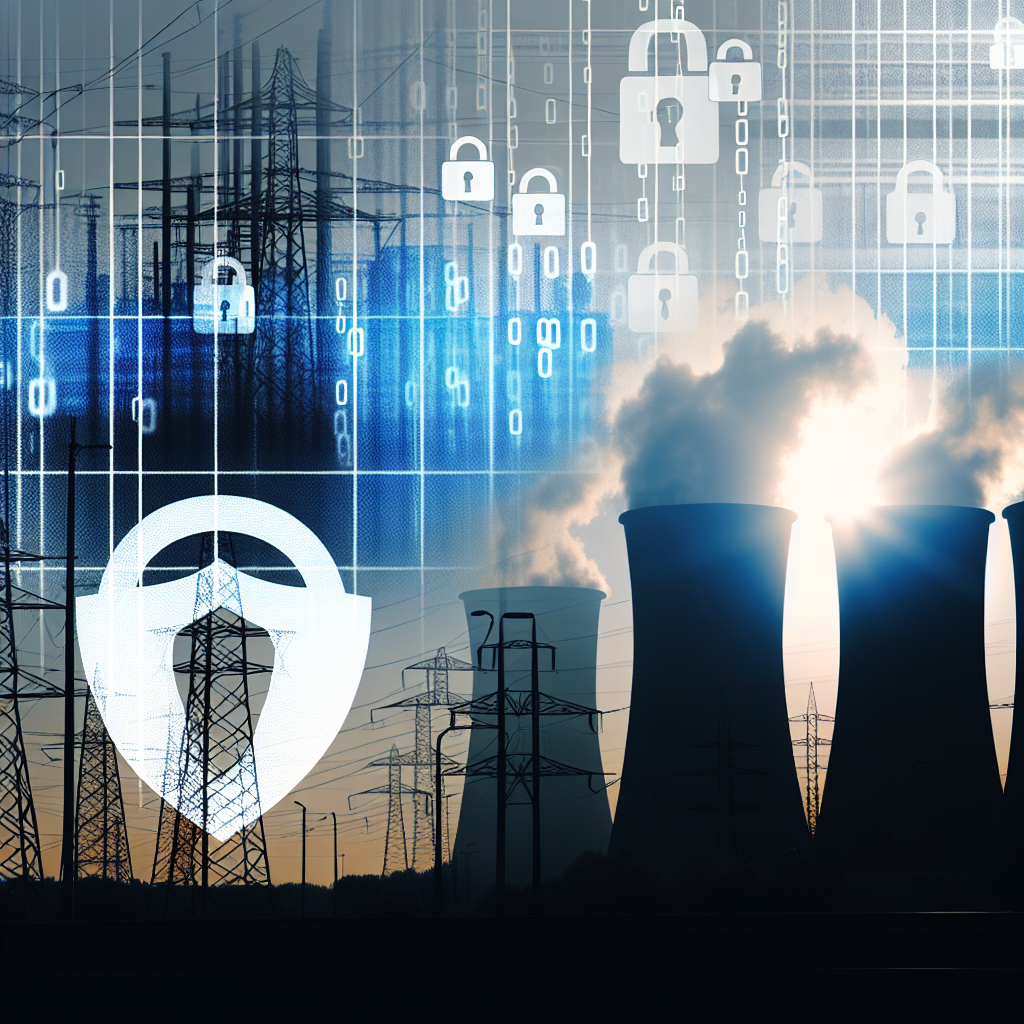
Cybersecurity in Utilities: Protecting Critical Infrastructure
Introduction
In today’s digital age, the cybersecurity landscape has evolved, especially within critical utility sectors. Protecting critical infrastructure is paramount, and organizations must adopt a comprehensive strategy to ensure resilience against cyber threats. This article explores the significance of cybersecurity in utilities and offers insights into best practices for safeguarding vital services.
The Importance of Cybersecurity in Utilities
Utilities are foundational to modern society, providing essential services such as electricity, water, and natural gas. A successful cyber-attack on these systems can lead to catastrophic outcomes including widespread outages, financial losses, and compromised public safety.
Cybersecurity in utilities encompasses protecting the technology, systems, and networks that support these infrastructures from unauthorized access, damage, or disruption. As the frequency and sophistication of cyber threats continue to rise, the need for robust cybersecurity measures has never been more critical.
Cyber Threat Landscape
The threat landscape for utilities is diverse, including malware attacks, ransomware, phishing schemes, and insider threats. Understanding the various threat actors—ranging from lone hackers to sophisticated state-sponsored groups—is essential for developing an effective cybersecurity strategy.
- Ransomware: This has become one of the most significant threats, with utilities targeted to exploit their critical role in society.
- Denial-of-Service (DoS) Attacks: These can overwhelm systems, disrupting service delivery.
- Supply Chain Vulnerabilities: Third-party vendors often present an attack vector that can compromise the entire utility ecosystem.
Legal and Regulatory Framework
Ensuring the cybersecurity of critical infrastructure is not only a business imperative but also a legal obligation. Regulatory bodies in both the U.S. and U.K. have established frameworks to mandate cybersecurity measures for utilities.
U.S. Regulations
In the U.S., regulations such as the Federal Energy Regulatory Commission (FERC) and the North American Electric Reliability Corporation (NERC) set standards that utilities must adhere to. These regulations require the implementation of security measures and incident response plans to mitigate potential cyber threats.
U.K. Regulations
Similar regulations exist in the U.K., where the National Cyber Security Centre (NCSC) provides guidance and support to utilities in implementing effective cybersecurity strategies. The Network and Information Systems (NIS) Regulations impose legal obligations for the security of essential services.
Global Perspectives
As threats continue to evolve, the need for a cohesive strategy is vital. Countries like the UAE have also developed national cybersecurity strategies that emphasize collaboration between government and private sectors to enhance the security of critical infrastructure.
Best Practices for Cybersecurity in Utilities
Organizations in the utilities sector must adopt a multi-layered cybersecurity approach to effectively defend against threats. Here are some best practices to consider:
1. Risk Assessment and Management
Perform regular risk assessments to identify vulnerabilities within the infrastructure. Establish a robust risk management strategy that includes threat intelligence and continuous monitoring.
2. Employee Training and Awareness
The human element is often the weakest link in cybersecurity. Implementing comprehensive training programs for employees can minimize the risk of human error. It is essential to foster a culture of security awareness.
3. Incident Response Planning
Develop a detailed incident response plan that outlines steps to take during a cyber incident. Regularly update and test the plan to ensure its effectiveness in real scenarios.
4. Use of Advanced Technologies
Employ advanced cybersecurity technologies such as AI and machine learning to detect and respond to threats in real-time. Firewalls, intrusion detection systems, and encryption play critical roles in safeguarding sensitive data.
5. Collaborate and Share Information
Fostering collaboration between utilities and government agencies can enhance overall security. Sharing threat intelligence and best practices within industry groups helps create a stronger defense against potential cyber threats.
The Role of The Consultant Global
At The Consultant Global, we understand the unique challenges organizations face in the utilities sector. With extensive experience across international, government, and private industries, we offer tailored consultancy services that address the complex landscape of cyber threats. Our multi-cultural environment allows us to collaborate effectively, bringing a diverse perspective to problem-solving and innovation.
Our team is adept at assessing clients’ needs and formulating strategies that drive value while ensuring compliance with global and regional regulations. With fluency in multiple languages and a commitment to diversity and inclusion, we are uniquely positioned to serve clients in the GCC and UAE, fostering long-lasting partnerships.
Conclusion
As the cybersecurity landscape continues to shift, utilities must prioritize the protection of their critical infrastructure. By implementing strategic measures and engaging trusted consultants like The Consultant Global, organizations can enhance their resilience against cyber threats, ensuring safe and reliable service delivery to their communities.
In an era where cybersecurity is paramount, the time to act is now. Investing in robust cybersecurity strategies is not only a protective measure but a proactive step towards a secure future for critical utilities.


Leave a Reply