

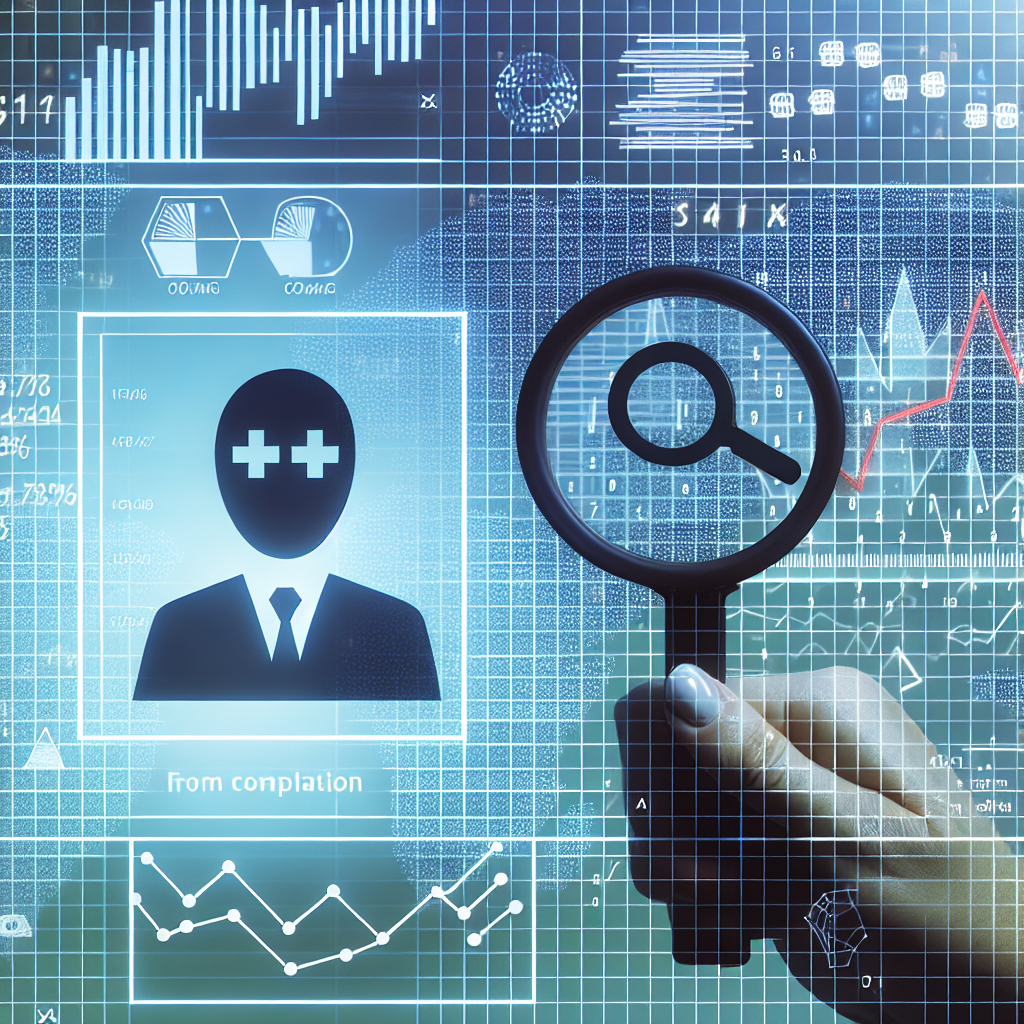
Data Analytics for Compliance: Identifying Patterns and Anomalies
Introduction
In an era where data-driven decisions shape the future of businesses, data analytics plays a vital role in the realm of compliance. Understanding how to leverage data analytics effectively is essential for organizations seeking to identify patterns and anomalies in their operations. This article delves into the pivotal role of data analytics in compliance, highlighting best practices and innovative strategies for organizations committed to maintaining robust ethical standards.
Understanding Compliance in a Data-Driven World
Compliance refers to an organization’s adherence to regulatory requirements and ethical standards. With ever-evolving regulations and an increasing focus on transparency, organizations must employ rigorous compliance strategies. Data analytics serves as a foundational tool to enhance these efforts, enabling organizations to foresee potential issues and ensure alignment with both U.S. and U.K. regulations, along with insights from practices in the UAE and GCC.
The Role of Data Analytics in Compliance
Data analytics examines vast amounts of information to extract meaningful insights. Within the compliance landscape, it focuses on monitoring behavior, detecting irregularities, and assessing risk factors. Here are several key aspects of how data analytics supports compliance:
1. Identifying Patterns
Data analytics allows organizations to discern consistent patterns in employee behavior, financial transactions, and operational processes. By establishing a baseline of normal operations, organizations can easily identify deviations that may indicate compliance risks. For instance:
- Employee Behavior: Monitoring communication channels can reveal anomalies in employee interactions that might flag potential misconduct or ethical violations.
- Financial Transactions: Analyzing payment patterns can help pinpoint fraudulent activities or discrepancies in financial reporting.
2. Detecting Anomalies
Aside from pattern recognition, data analytics empowers organizations to detect anomalies that may signal compliance breaches. For example:
- Transaction Monitoring: Utilizing algorithms to evaluate transactions for unusual behaviors, such as a marked increase in transactions from a specific region, can prompt deeper investigation.
- Audit Trails: Implementing analytics in audit trails can help track changes over time, ensuring accountability and transparency in operations.
Leveraging Advanced Analytical Techniques
To enhance compliance efforts, organizations can adopt various advanced data analytics techniques:
1. Predictive Analytics
Predictive analytics is a powerful tool for anticipating future compliance issues by analyzing historical data. Organizations can predict potential violations or risks by modeling trends and making informed decisions to mitigate those risks proactively.
2. Machine Learning
Machine learning algorithms can improve anomaly detection systems. By continuously learning from data inputs, these systems become more adept at identifying unusual behaviors, enabling early intervention and resolution.
3. Visualization Tools
Data visualization tools make analytical insights easily digestible. By presenting complex data in a visual format, stakeholders can quickly identify compliance issues, making it easier for decision-makers to act promptly.
Best Practices for Implementing Data Analytics in Compliance
Successful integration of data analytics into compliance requires careful consideration of best practices. Organizations should prioritize the following:
1. Establish Clear Objectives
Before embarking on a data analytics initiative, organizations must define clear compliance objectives. Determining what they aim to achieve—whether minimizing risk, enhancing ethics training, or streamlining reporting processes—will guide the analytics strategy.
2. Foster a Culture of Compliance
Creating a robust compliance culture is critical for the success of analytics initiatives. Employees should understand the importance of compliance and the role that data analytics plays in maintaining ethical standards. Regular training and resources help reinforce this culture and encourage transparency.
3. Collaborate Across Departments
Data analytics is not limited to the compliance department; it should be an organization-wide initiative. Encouraging collaboration between IT, legal, finance, and HR departments ensures a comprehensive approach to compliance analytics, leading to better outcomes.
4. Use the Right Tools and Technologies
Selecting the appropriate tools and technologies for data analytics is paramount. Organizations must choose solutions that align well with their compliance goals, offering capabilities for data integration, analysis, and visualization. Regular updates and training on these tools are essential for maximizing their potential.
The Consultant Global: Your Trusted Compliance Partner
At The Consultant Global, we understand the complexities of compliance and the need for robust data analytics in navigating them. With extensive experience across various sectors, we are uniquely positioned to help businesses in the GCC and the UAE enhance their compliance efforts.
Our professional team, fluent in multiple languages, engages effectively with diverse cultures, enabling us to tailor our consultancy services to meet the unique needs of our clients. We pragmatically assess their requirements, ensuring we add value without wasting time or resources. Our commitment to becoming your trusted advisor allows us to guide your business towards best practices in compliance and ethics.
Conclusion
Incorporating data analytics into compliance strategies is no longer optional; it is a necessity for organizations aiming to thrive in today’s regulatory climate. By identifying patterns and detecting anomalies, organizations can proactively manage risks and foster a culture of compliance. Leveraging the expertise of The Consultant Global can further enhance your compliance initiatives, ensuring your business is well-equipped to navigate the complexities of ethics and compliance in a data-driven world.


Leave a Reply