

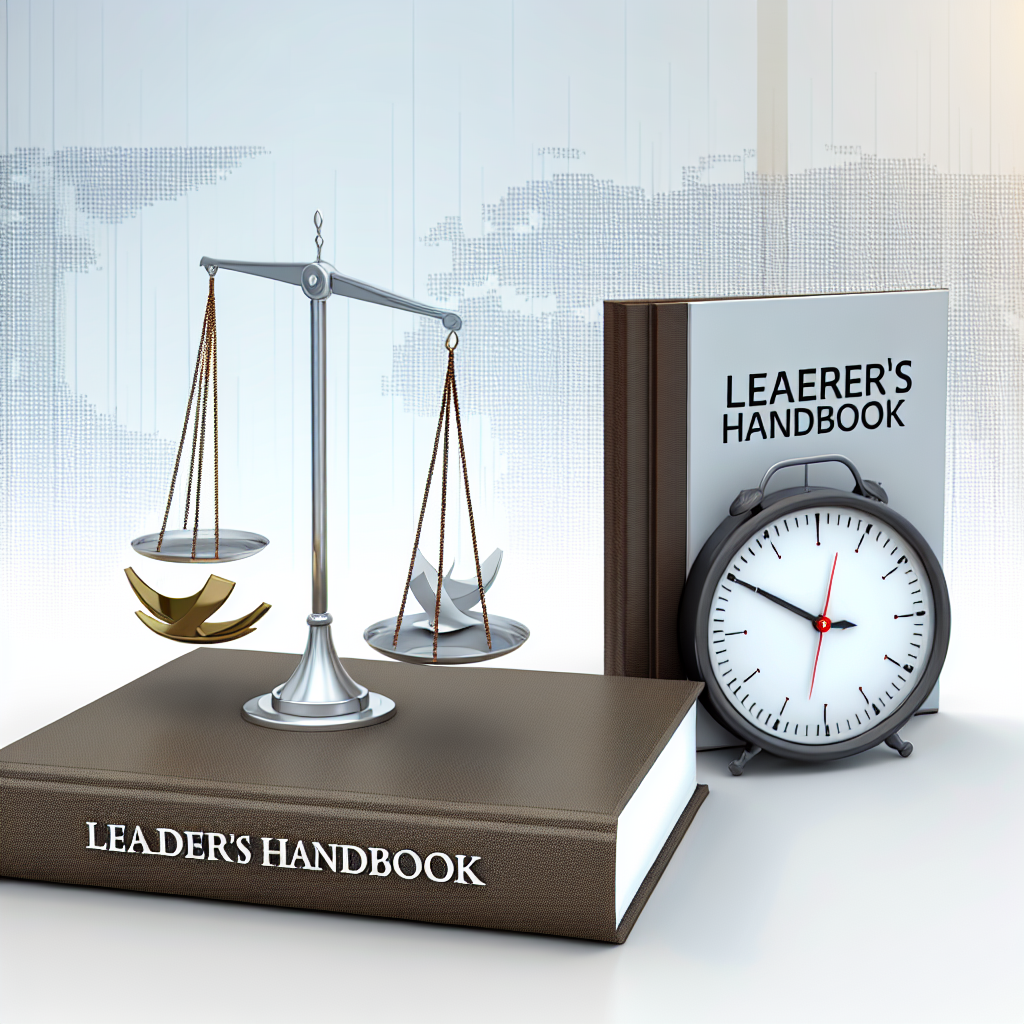
Decision-Making Under Pressure: A Leader’s Handbook
Introduction to Decision-Making Under Pressure
Effective leadership often hinges on the ability to make sound decisions under pressure. In high-stakes environments, leaders must navigate complex scenarios while maintaining clarity and composure. This article serves as a comprehensive handbook for leaders aiming to enhance their decision-making skills when faced with critical pressures. As The Consultant Global, we leverage our extensive experience and cultural fluency to provide insights that resonate across diverse global business landscapes, particularly within the GCC and UAE contexts.
Understanding the Importance of Decision-Making Under Pressure
The ability to make decisions under pressure is crucial for leaders for several reasons:
- Timeliness: Many situations require immediate action; delayed decisions can lead to missed opportunities or exacerbated problems.
- Complexity: Pressure often introduces uncertainty and complexity, making it imperative for leaders to analyze information swiftly and accurately.
- Team Dynamics: How a leader responds under pressure influences team morale and confidence, shaping the overall organizational culture.
Key Principles of Decision-Making Under Pressure
To enhance your decision-making capabilities, consider incorporating the following principles:
1. Stay Calm and Collected
Maintaining a composed demeanor is essential. Leaders who exhibit calmness inspire confidence in their team. Techniques to achieve this include:
- Mindfulness or breathing exercises to center yourself.
- Taking a brief moment to gather your thoughts before responding.
2. Embrace a Structured Approach
Utilizing a systematic approach to decision-making can reduce anxiety and enhance clarity. A simple decision-making framework can include:
- Identifying the problem clearly.
- Gathering relevant data swiftly.
- Evaluating options based on available information.
- Implementing the decision and reviewing its impact.
3. Leverage Diverse Perspectives
Seeking input from team members can uncover a wealth of insights and foster innovative solutions. This practice not only enriches decision-making but also promotes inclusivity within your team.
The Role of Experience in Decision-Making
Experience plays a vital role in shaping how leaders approach pressure-filled situations. Here’s how:
1. Learn from Past Decisions
Reflecting on previous decisions—both successful and unsuccessful—empowers leaders to refine their strategies for future scenarios. Consider documenting key outcomes and lessons learned.
2. Real-World Situations
Practicing decision-making in simulated scenarios can enhance readiness. Engage in role-playing exercises that replicate high-pressure situations common in your industry.
3. Continuous Learning
Invest in leadership development through workshops and training sessions. Evolving management theory and practice can provide new tools for leaders to utilize in pressure scenarios.
Cross-Cultural Decision Making
Operating in a diverse global environment, particularly in the GCC and UAE, necessitates an understanding of cultural influences on decision-making. Here are critical considerations:
1. Cultural Sensitivity
Recognize the impact of cultural backgrounds on team dynamics and communication styles. Developing an awareness of these differences fosters an environment of respect and understanding.
2. Language Proficiency
Our extensive language capabilities at The Consultant Global—including English, Turkish, Azerbaijani, Russian, and French—facilitate effective communication across cultures, minimizing misunderstandings.
3. Collaborative Decision-Making
In multicultural teams, collective decision-making often leads to better outcomes. Encourage input from all cultural perspectives to achieve a well-rounded view of challenges and solutions.
Tools and Techniques for Decision-Making Under Pressure
Utilizing the right tools can significantly enhance a leader’s ability to make informed decisions quickly. Some effective tools include:
1. SWOT Analysis
The SWOT (Strengths, Weaknesses, Opportunities, Threats) analysis provides a clear framework for evaluating options quickly, helping leaders prioritize decisions based on circumstances.
2. Decision Matrix
A decision matrix aids in comparing different options against established criteria, facilitating a more straightforward selection process, especially under time constraints.
3. Scenario Planning
By envisioning various possible futures, leaders can prepare for unforeseen circumstances, allowing for a more agile response during crises.
Building a Resilient Leadership Mindset
Part of effective decision-making under pressure involves cultivating resilience. Consider the following strategies:
1. Develop Emotional Intelligence
Emotional intelligence empowers leaders to manage their emotions and understand others, enhancing communication and collaboration under stress.
2. Foster a Growth Mindset
A growth mindset encourages leaders to view challenges as opportunities for learning, which is essential when faced with difficult decisions.
3. Prioritize Self-Care
Taking care of your physical and mental well-being positions you to handle pressure more effectively. Regular exercise, adequate rest, and healthy relationships can provide the balance needed for high-stress environments.
Conclusion: Be Prepared to Lead Under Pressure
As leaders navigate the complexities of making decisions under pressure, it is critical to embody calmness, embrace structured approaches, and leverage cross-cultural insights. At The Consultant Global, our dedicated team, equipped with diverse skills and enriched by a multifaceted background, is committed to empowering leaders in the GCC and beyond to make impactful decisions even in challenging times. By instilling these principles into your leadership practice, you can ensure that you and your team are prepared to tackle obstacles, seize opportunities, and emerge stronger than before.
We are The Consultant Global, and we get things done! Reach out to us today to discover how our unique consultative approach can help elevate your business to the next level.


Leave a Reply