

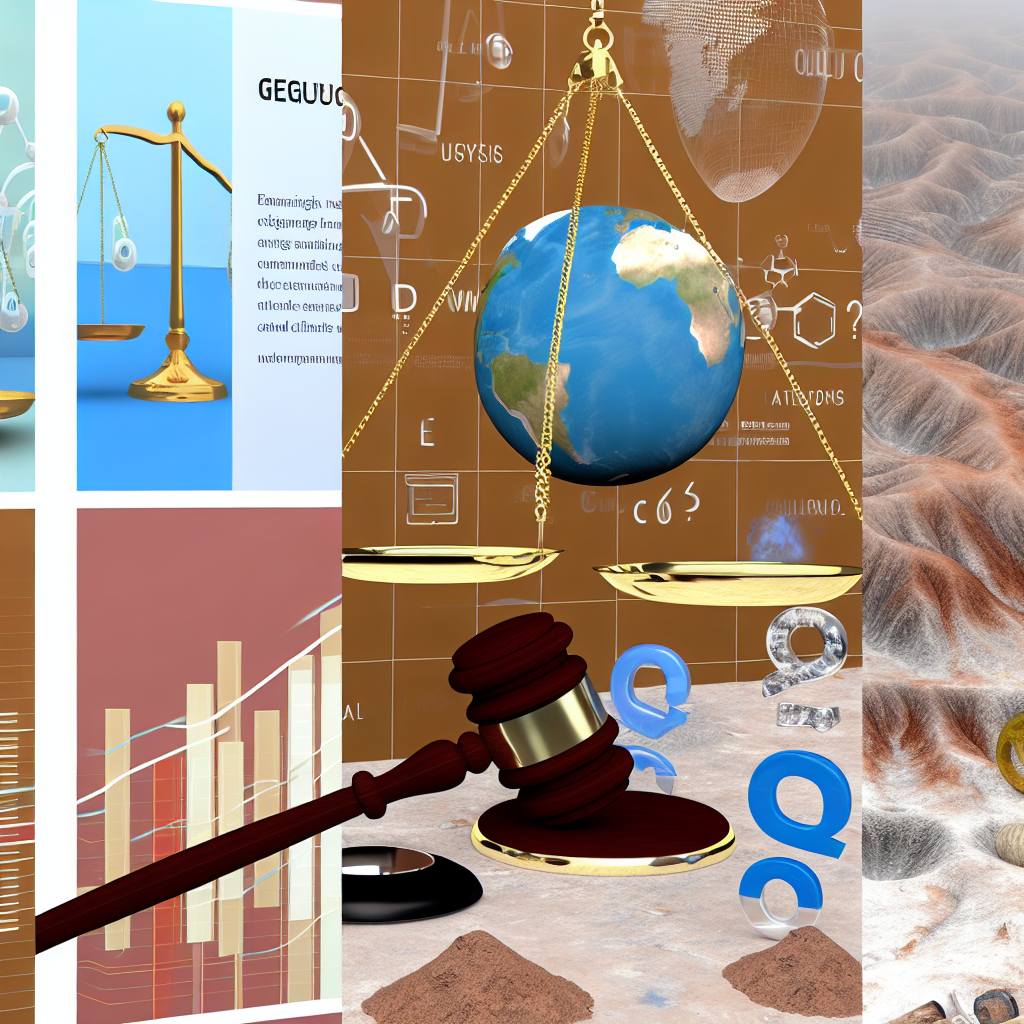
Geoengineering Regulations: Emerging Legal Frameworks for Climate Intervention
Introduction
In the face of climate change, innovative approaches are being explored to mitigate its impacts, one of which is geoengineering. Understanding the emerging legal frameworks surrounding geoengineering regulations reveals both challenges and opportunities for climate intervention. This article delves into the complexities of geoengineering laws, focusing on U.S. and U.K. regulations while highlighting unique considerations in the GCC and UAE. Equipped with a wealth of expertise, The Consultant Global aims to guide businesses through these intricate legal landscapes.
The Concept of Geoengineering
Geoengineering, also known as climate engineering, encompasses large-scale interventions designed to alter the Earth’s climate systems. These interventions can be broadly categorized into two main types:
- Solar Radiation Management (SRM): Techniques aimed at reflecting a small fraction of the sun’s light back into space.
- Carbon Dioxide Removal (CDR): Strategies focused on removing CO2 from the atmosphere, such as afforestation and carbon capture technologies.
As the scientific community increasingly considers these mechanisms, it raises urgent questions about their governance and the legal frameworks required to regulate their application.
The Need for Legal Frameworks
As geoengineering technologies advance, establishing robust legal frameworks is crucial to address potential ecological risks, ethical considerations, and liability issues. Emerging legal frameworks aim to:
- Ensure responsible research, development, and deployment of geoengineering technologies.
- Protect the environment and public health.
- Overall, provide transparency and accountability in the implementation of geoengineering initiatives.
U.S. Legal Framework
Regulatory Landscape
The regulatory landscape in the United States is characterized by collaboration among various governmental agencies, including the Environmental Protection Agency (EPA), the National Oceanic and Atmospheric Administration (NOAA), and the Department of Justice (DOJ). These agencies play crucial roles in regulating aspects of geoengineering:
- Permitting processes governed by the Clean Air Act (CAA) and the Clean Water Act (CWA).
- Research initiatives are guided by the National Academy of Sciences, emphasizing ethical guidelines.
- Potential legal implications of geoengineering actions under existing environmental laws.
Legal Challenges
Legal challenges associated with geoengineering in the U.S. include:
- Uncertainties surrounding liability for potential damages resulting from geoengineering activities.
- The ambiguity of existing environmental laws regarding the classification of geoengineering as a pollutant or environmental remediator.
- Public concern and resistance related to unintended consequences of climate intervention technologies.
U.K. Legal Framework
Regulatory Approaches
Similar to the U.S., the United Kingdom is working towards establishing a comprehensive legal framework to address geoengineering. Recent advancements include:
- The establishment of the U.K.’s Committee on Climate Change, which evaluates the benefits and risks of geoengineering technologies.
- Ongoing discussions about incorporating geoengineering strategies within national climate frameworks.
- Consideration of the Climate Change Act and the Environmental Protection Act for regulating potential geoengineering initiatives.
Ethical Considerations
Public discourse in the U.K. has emphasized the ethical implications of geoengineering. Among these considerations are:
- Equity in the distribution of geoengineering benefits and risks.
- Involvement of the public and stakeholders in decision-making processes regarding geoengineering projects.
- The moral hazard associated with reliance on technology over traditional climate solutions.
Geoengineering: GCC and UAE Perspectives
Regional Initiatives
As climate change presents formidable challenges across the Gulf Cooperation Council (GCC) region, including the UAE, attention to geoengineering strategies is gaining traction. Geographic and climatic conditions necessitate a tailored approach to climate intervention, which is reflected in local initiatives geared towards:
- Sustainable urban development and smart technology integration.
- Investment in research for solar radiation management techniques suitable for arid environments.
- Collaborative international efforts to ensure compliance with global climate agreements.
Legal Considerations in the GCC
In this region, the legal landscape surrounding geoengineering remains nascent. However, growing awareness is prompting discussions about:
- Adapting international legal standards to suit regional contexts and environmental considerations.
- The importance of fostering cross-border collaborations on climate interventions and knowledge sharing.
- Assessing regulatory frameworks that accommodate both innovation and environmental protection.
Monitoring, Reporting, and Compliance
Establishing Governance Frameworks
Monitoring and compliance are critical components of any legal framework governing geoengineering initiatives. Effective governance frameworks should include:
- Establishing clear reporting mechanisms for geoengineering projects.
- Developing monitoring protocols to assess environmental impacts continuously.
- Implementing compliance measures, including penalties for non-compliance with established guidelines.
The Role of The Consultant Global
At The Consultant Global, we understand the intricacies of developing effective compliance mechanisms within emerging legal frameworks. Our extensive expertise ensures that clients navigate the legal landscape effectively, avoiding pitfalls, while maximizing benefits. Our multicultural team, fluent in diverse languages, provides tailored solutions to meet the global needs of businesses engaged in geoengineering.
Conclusion
The landscape of geoengineering regulations is rapidly evolving as nations grapple with the pressing realities of climate change. As legal frameworks emerge in the U.S., U.K., and the GCC, it is crucial that stakeholders actively engage in the development of policies to govern these interventions. Through research, public discourse, and collaboration, we can ensure that geoengineering serves as a beneficial tool for sustainable climate intervention. The Consultant Global is positioned to assist businesses in navigating these challenges, underscoring our commitment to responsible consulting and fostering the global transition to a more sustainable future.


Leave a Reply