
International Anti-Corruption Conventions: A Global Fight
Introduction
In today’s interconnected world, the fight against corruption has become a priority for governments, organizations, and individuals alike. The international anti-corruption conventions represent a collective commitment to fostering transparency, integrity, and accountability, essential pillars in advancing global economic and social development. This article will delve into the frameworks established by these conventions, examining their impact on ethical compliance in business practices and the role of specialized consultancy in navigating these complex waters, specifically within the GCC and the UAE context.
The Scope of International Anti-Corruption Conventions
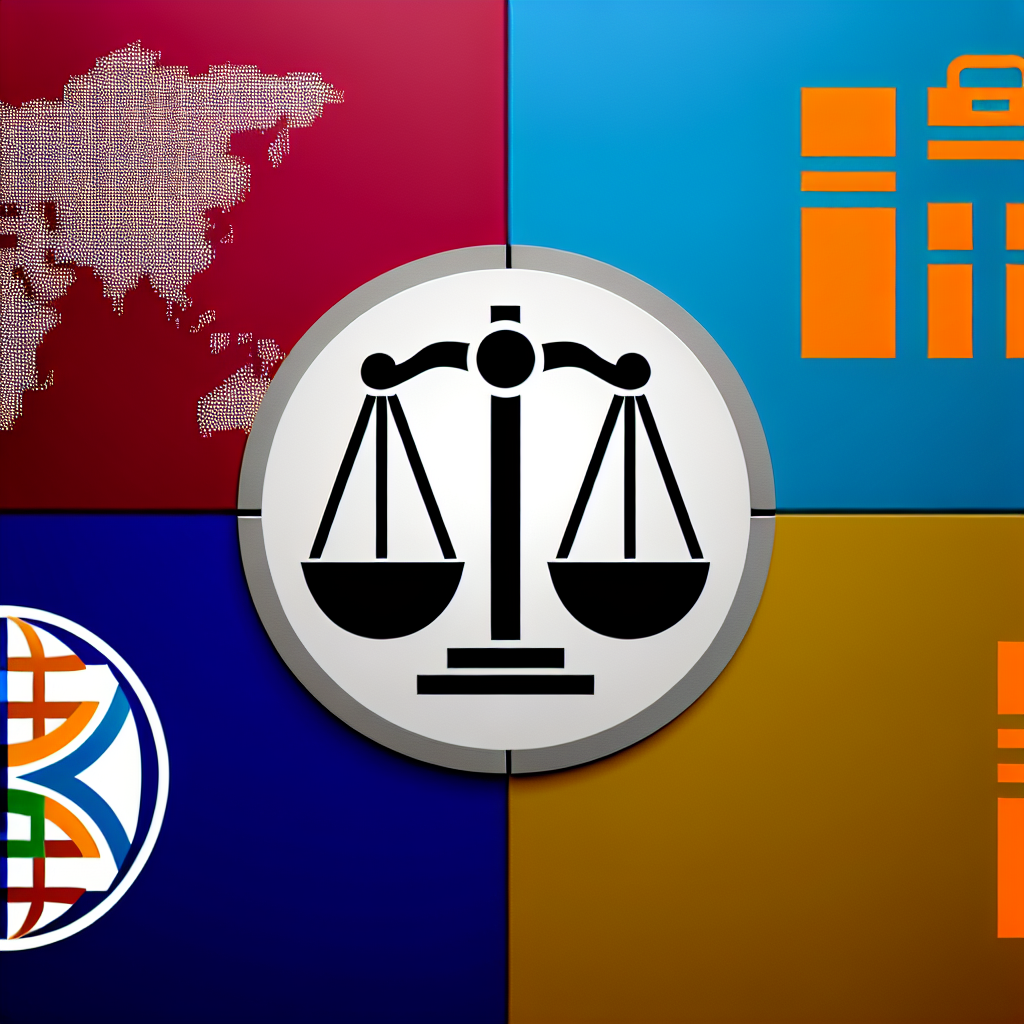
International anti-corruption conventions, including the United Nations Convention Against Corruption (UNCAC), the OECD Anti-Bribery Convention, and the African Union Convention on Preventing and Combating Corruption, serve as foundational frameworks. They provide guidelines for countries to adopt and implement comprehensive anti-corruption measures that encompass prevention, criminalization, enforcement, and international cooperation.
Understanding the Global Context
- Corruption as a Global Challenge: Corruption undermines democratic institutions, inhibits economic growth, and contributes to governmental instability.
- International Collective Actions: The existing conventions aim to unify efforts across nations to mitigate corruption through agreed-upon standards and practices.
The Role of Ethics and Compliance in Combating Corruption
Ethics and compliance programs are vital for organizations committed to upholding integrity and fostering anti-corruption initiatives. Such programs not only align with international standards but also strengthen the organizational culture and public trust. Companies that adopt robust compliance mechanisms are better positioned to identify, prevent, and address corrupt practices.
Key Elements of an Effective Compliance Program
- Leadership Commitment: Senior management must demonstrate a firm commitment to ethical practices and compliance.
- Risk Assessment: Conducting periodic risk assessments will help identify vulnerabilities and tailor compliance strategies.
- Training and Awareness: Ongoing training programs should be instituted to communicate compliance expectations and reinforce ethical behavior.
- Reporting Mechanisms: Establishing safe channels for reporting misconduct encourages transparency and accountability.
- Monitoring and Auditing: Regular evaluations of compliance programs ensure ongoing improvement and adherence to ethical standards.
Challenges in Implementation
Despite the strong frameworks established by international conventions, effective enforcement remains challenging. Corruption is often deeply entrenched within systems, making it difficult to effect change. Several factors contribute to these challenges:
- Cultural Nuances: Different cultural understandings of corruption may hinder uniform compliance and reporting practices.
- Resource Limitations: Some countries may lack the resources or expertise necessary for effective enforcement of anti-corruption laws.
- Political Will: A lack of political commitment can stymie efforts, as those in power may not prioritize anti-corruption measures.
The Consultant Global: Your Trusted Partner in Anti-Corruption Strategies
At The Consultant Global, we are uniquely positioned to guide organizations through the complexities of compliance with international anti-corruption conventions. With our extensive and unique experience in global consulting and a deep understanding of various regulations, we assist clients in embedding compliance and ethical practices into their operations.
Leveraging Experience in Diverse Environments
Our firm thrives on diversity and inclusion, backed by professionals who have extensive experience working in multicultural settings. We are fluent in English, Turkish, Azerbaijani, Russian, and French, enabling us to seamlessly engage with clients across different regions, particularly in the GCC. This linguistic versatility allows us to effectively communicate compliance standards and ethical practices tailored to the specific cultural context of each client.
Client-Centric Approach
We pride ourselves on our client-centric approach. Our philosophy is straightforward: we will only take on assignments where we can deliver tangible value. By engaging closely with our clients, we assess their unique challenges and tailor our solutions accordingly. Our goal is to empower businesses not only to comply with ethical standards but also to foster a culture of integrity that enhances their reputation and operational effectiveness.
The Future of Anti-Corruption Efforts
The momentum against corruption is growing, driven by increasing public awareness, technological advancements, and a global commitment to ethical governance. As international conventions continue to evolve, so too must the strategies employed by organizations. Integration of technology, adaptation of best practices, and a continuous focus on ethical compliance will be crucial for organizations aiming to thrive in this landscape.
Adapting to Emerging Trends
Organizations must stay ahead of emerging trends in anti-corruption efforts, such as:
- Digital Transparency: Utilizing technology for transparent reporting and monitoring can significantly enhance compliance.
- Stakeholder Engagement: Engaging with stakeholders in collaborative efforts fosters a collective commitment to anti-corruption.
- Continuous Education: Investing in training and education is paramount to instilling a culture of compliance and integrity within organizations.
Conclusion
The fight against corruption remains a global priority, necessitating collective efforts from all sectors. The international anti-corruption conventions provide a robust framework to guide governments and organizations in their compliance initiatives. As a trusted advisor, The Consultant Global is dedicated to equipping clients with the necessary tools and strategies to navigate the complexities of ethics and compliance. Together, we can build a future characterized by transparency, accountability, and ethical governance.
Join us in this vital endeavor to promote integrity and combat corruption, making ethical business practices the standard around the world.


Leave a Reply