
Predictive Analytics in Ethics and Compliance: Anticipating Risks
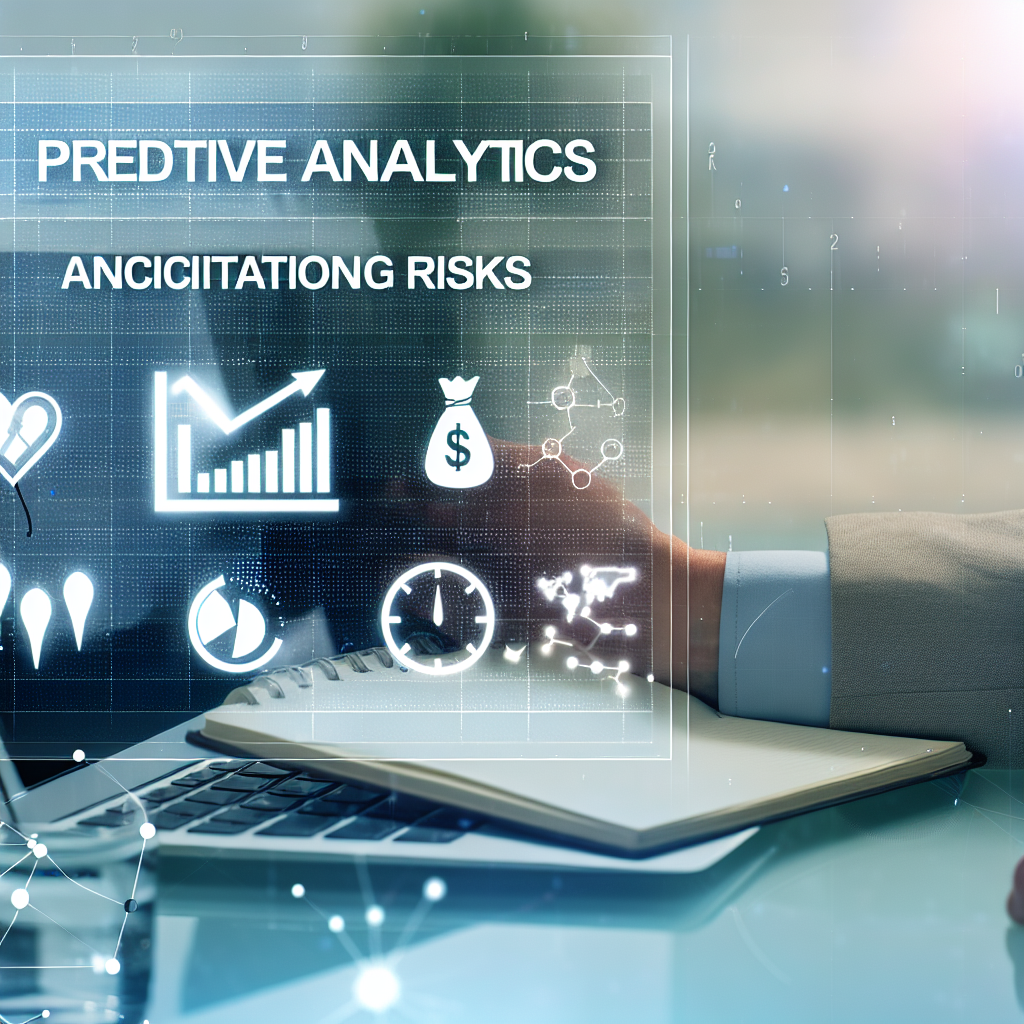
Predictive Analytics in Ethics and Compliance: Anticipating Risks
In today’s rapidly evolving business landscape, organizations must navigate complex ethical terrains while ensuring compliance with an array of regulations. The convergence of predictive analytics with ethics and compliance practices presents an innovative approach to anticipating risks. This blog post explores how businesses can harness these tools, enhancing their ethical frameworks and compliance mechanisms.
Understanding Predictive Analytics
Predictive analytics refers to the use of statistical algorithms and machine learning techniques to identify the likelihood of future outcomes based on historical data. In the context of ethics and compliance, this approach allows organizations to identify potential risks before they materialize, thereby enabling proactive risk management strategies.
The Importance of Risk Anticipation
Anticipating risks is fundamental to maintaining an ethical and compliant organization. By predicting potential ethical breaches or compliance failures, businesses can swiftly implement corrective measures, mitigate negative impacts, and safeguard their reputations. This proactive stance not only helps in averting crises but also builds a culture of integrity within the organization.
The Role of Predictive Analytics in Ethics and Compliance
1. Early Detection of Compliance Violations
Predictive analytics equips organizations to detect patterns indicative of compliance violations. By analyzing historical data, companies can pinpoint activities that typically precede compliance failures. For instance, if previous data shows that certain sectors have a higher incidence of compliance issues, organizations can focus enhanced scrutiny on these areas. This targeted approach leads to more efficient resource allocation and can effectively reduce incidences of non-compliance.
2. Training and Awareness Programs
Understanding where compliance risks lie paves the way for tailored training programs. By utilizing predictive analytics, organizations can identify which departments or roles are most at risk of ethical breaches and customize training to address specific challenges. This approach ensures that training resources are not only utilized effectively but also enhance employees’ awareness of compliance obligations.
3. Enhancing Reporting Mechanisms
With the incorporation of predictive analytics, organizations can refine their internal reporting mechanisms. Analytics can help in analyzing reporting trends and categorizing incidents based on severity and type. This structured approach provides invaluable insights that can mitigate risks and foster an environment where ethical concerns can be raised without fear.
4. Continuous Monitoring and Dynamic Adjustments
The business landscape can change rapidly, and what may have been considered low-risk yesterday can pose significant threats today. Predictive analytics allows for real-time data assessment, helping organizations to remain vigilant. Continuous monitoring systems can alert compliance officers to emerging threats, enabling enforced adjustments to policies and procedures as necessary.
Implementing Predictive Analytics for Ethical Compliance
Successfully implementing predictive analytics within an ethics and compliance framework requires careful planning and execution. Here are key strategies for businesses to consider:
1. Data Integration and Management
For predictive analytics to be effective, organizations must integrate disparate data sources to create a comprehensive dataset. Ensuring data quality and consistency is vital. Companies need to foster a culture of data stewardship, ensuring that all stakeholders understand the importance of accurate data collection and management.
2. Identifying Key Performance Indicators (KPIs)
Developing relevant KPIs is essential for measuring success in compliance programs. Organizations should establish metrics reflecting their ethical frameworks and compliance objectives. Predictive analytics can utilize these KPIs to assess how well an organization is performing and to identify potential risks based on trends over time.
3. Utilizing Advanced Analytics Tools
Investing in advanced analytics tools and platforms can augment compliance efforts. Organizations should prioritize tools capable of machine learning and predictive modeling to expand their analytical capabilities. By leveraging sophisticated analytics, businesses can uncover valuable insights and guide decision-making processes effectively.
4. Fostering a Culture of Ethics
The successful integration of predictive analytics in ethics and compliance is contingent upon fostering a culture that prioritizes ethical behavior. Organizations must communicate the significance of ethical compliance clearly and cultivate an environment where ethical concerns are addressed proactively. This cultural shift not only entails training and awareness but also incorporating predictive insights into the organizational fabric.
The Unique Positioning of The Consultant Global
The Consultant Global stands poised to lead businesses through the complexities of predictive analytics in ethics and compliance. With extensive expertise in international and private industries, we understand the nuances of diverse cultures and regulatory environments, particularly in the Gulf Cooperation Council (GCC) region and the United Arab Emirates (UAE).
Our multilingual capabilities—encompassing English, Turkish, Azerbaijani, Russian, and French—set us apart, enabling effective communication and collaboration in multicultural settings. We recognize that successful consultancy requires an in-depth assessment of client needs, and we endeavor to ensure that our solutions are aligned with our clients’ strategic objectives.
Empowering Businesses Through Insights
Incorporating advanced analytics into compliance frameworks arrives at a pivotal juncture where strategy meets integrity. The Consultant Global is dedicated to empowering businesses by harnessing data-driven insights that enhance their ethical standards and compliance posture. We are committed to serving as a trusted advisor, ensuring our clients achieve exemplary compliance while navigating the intricate landscapes of their respective industries.
Conclusion
As organizations aim to establish ethical frameworks and compliance with various regulations, predictive analytics has emerged as a vital tool for anticipating risks. By adopting a proactive approach, businesses can navigate the complexities of ethics and compliance while fostering a culture of integrity within their organizations. The Consultant Global is here to guide you through this journey, leveraging our expertise and multicultural understanding to help you achieve your compliance objectives efficiently and effectively.
In a world where ethical breaches can significantly impact a brand’s reputation, the integration of predictive analytics into compliance and ethics frameworks will not only bolster organizational integrity but also transform risks into opportunities for growth and innovation.


Leave a Reply