
Water Rights and Allocation: Legal Frameworks for Water Use
Introduction to Water Rights and Allocation
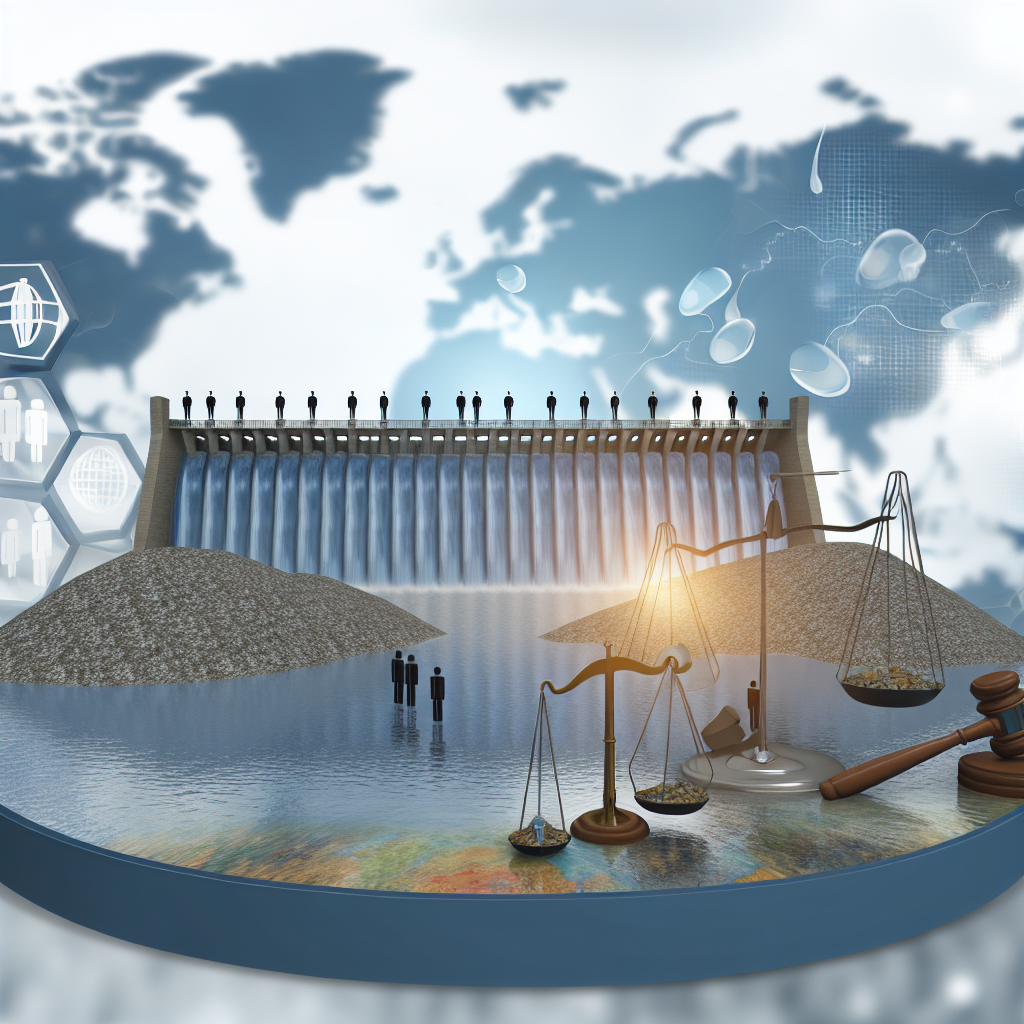
Water is one of the most essential resources on the planet, playing a pivotal role not only in individual livelihoods but also in the economic development of communities and nations. As global populations grow and climate changes intensify, effective water management becomes a critical challenge, highlighting the importance of legal frameworks concerning water rights and allocation. In this article, we explore the existing legal frameworks governing water use, focusing on various approaches adopted in the U.S. and U.K., while considering perspectives from the UAE and the GCC region.
Understanding Water Rights
Water rights refer to the legally recognized entitlements of individuals or entities to use water from a specific source for beneficial purposes. These rights can be categorized primarily into two systems: the riparian rights system and the prior appropriation system.
Riparian Rights
Commonly used in the eastern U.S. and parts of the U.K., the riparian rights system allows landowners whose property is adjacent to a water source to use that water as long as it does not harm other riparian landowners’ rights. This system emphasizes sharing water resources and maintaining natural flow. However, it can lead to disputes, particularly in times of drought or in areas with high water demand.
Prior Appropriation Rights
In contrast, the prior appropriation system, primarily utilized in the western U.S., prioritizes water allocation based on the “first in time, first in right” principle. This means that the first user to withdraw water from a source for beneficial use has the right to continue using that amount of water, regardless of later users’ claims. This system is particularly crucial in arid regions where water scarcity is prevalent.
Legal Frameworks for Water Allocation in the U.S.
The legal landscape in the United States is complex, with federal, state, and local laws influencing water rights and allocation. Key federal laws include the Clean Water Act and the Safe Drinking Water Act, which establish standards for water quality and protect water resources. States play a significant role in implementing their own water laws, which can lead to significant variation in how water rights are defined and enforced.
State Legislation and Regulation
Each state has its own legal statutes and regulatory bodies dedicated to managing water resources. For example, California’s water rights system has evolved to adapt to increasing population pressures and persistent drought conditions, illustrating the struggle for balance between agricultural, urban, and environmental needs.
Compliance and Ethical Considerations
As with any regulatory framework, compliance and ethical considerations are paramount in water management. Businesses engaged in water use must ensure they adhere to applicable laws, navigate permitting processes, and maintain the highest ethical standards to avoid potential litigation and reputational damage.
Legal Frameworks for Water Allocation in the U.K.
The U.K. employs a different approach using a centralized licensing system governed by the Environment Agency in England and the Natural Resources Body for Wales. Water is viewed as a public resource, and businesses and individuals must obtain licenses to abstract water.
Licensing System
The licensing framework ensures that water abstraction considers the environment and other users. Licenses are allocated based on an assessment of environmental impact, ensuring sustainable use while ideally eliminating conflicts between users.
Water Resource Management Plans
Water resource management plans, developed by water companies and regulators, outline how water usage will be managed in areas experiencing pressure. These plans must consider various factors, including climate change impacts, population growth, and ecosystem balance.
Perspectives from the UAE and GCC Region
In the United Arab Emirates and the wider Gulf Cooperation Council (GCC) region, water scarcity poses significant challenges due to arid climates and limited freshwater resources. Therefore, unique legal frameworks governing water rights and allocation are critical in this context.
Desalination and Water Reuse
The GCC nations invest heavily in desalination technologies to augment freshwater supplies. Legal frameworks surrounding water abstraction from the sea and the reuse of treated wastewater are increasingly critical, emphasizing sustainable practices and environmental considerations.
Cultural and Regulatory Diversity
The nature of water rights in the UAE reflects a blend of traditional practices and modern regulatory frameworks. With a diverse population, legal frameworks must consider various cultural and stakeholder perspectives to create effective and equitable water management strategies.
Challenges and Opportunities in Water Regulation
While existing legal frameworks provide a foundation for water rights and allocation, challenges persist. Climate change, population growth, and industrial demands exacerbate tensions surrounding water use, necessitating innovative solutions.
Sustainability and Compliance Innovations
There is an increasing need for sustainability-focused compliance strategies that integrate both legal obligations and ethical practices. Companies operating in these sectors must not only comply with regulations but also contribute positively to the communities and environments in which they operate.
The Role of The Consultant Global
As a professional consultancy, The Consultant Global is uniquely positioned to assist businesses navigate the complexities of water rights and allocation. Our extensive experience and multilingual capabilities enable us to provide tailored advisory services that align with the diverse needs of our clients in the GCC and UAE regions.
Cultural Competence in Water Management Consulting
Given the multicultural landscape of the GCC, companies must consider cultural sensitivities and stakeholder engagement when developing their water management strategies. The Consultant Global’s deep understanding of diverse cultural contexts enhances our ability to offer effective, culturally-sensitive solutions.
Conclusion
Effective water management, driven by sound legal frameworks and ethical considerations, is essential for supporting sustainable development. The Consultant Global stands ready to be your trusted advisor in navigating the complexities of water rights and allocation, ensuring your business not only meets regulatory requirements but thrives within them. Together, we can forge a path towards sustainable water use that benefits the environment, economy, and society as a whole.


Leave a Reply