

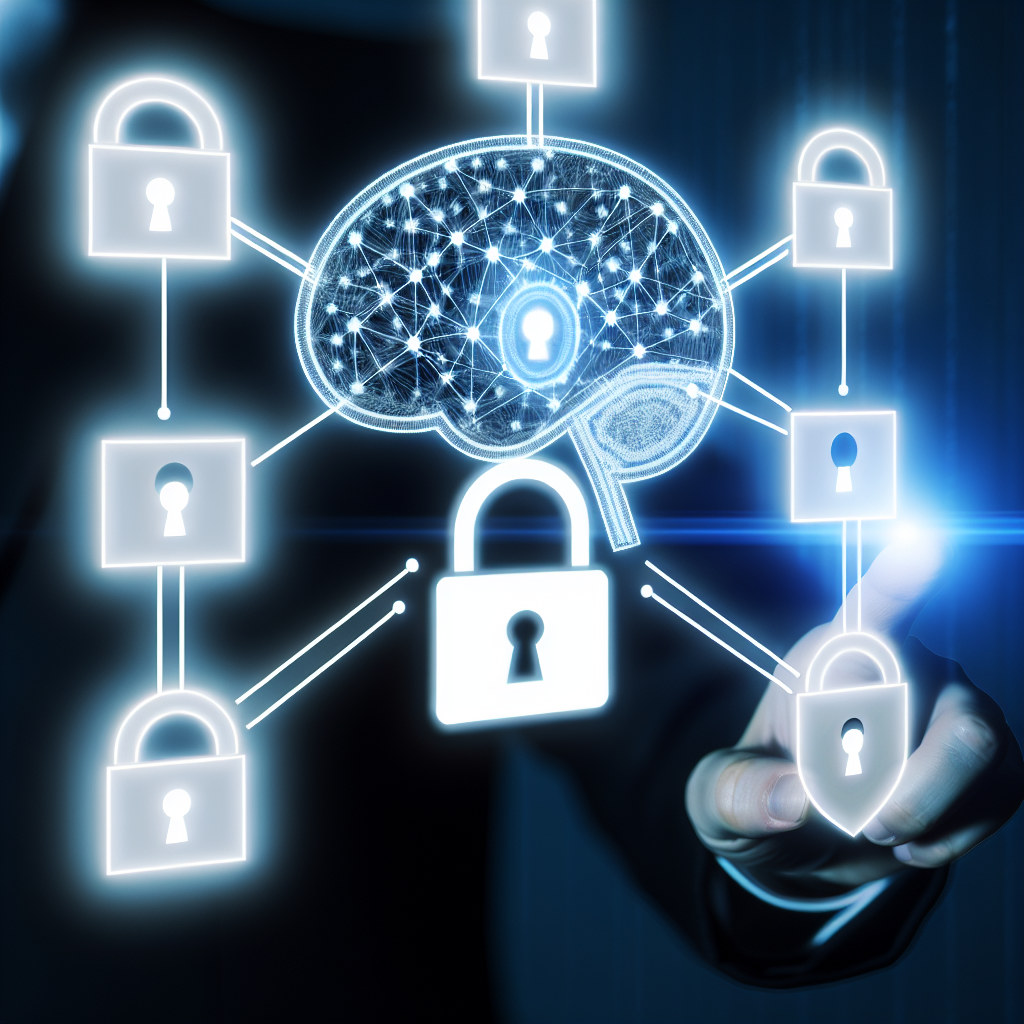
AI for Cyber Espionage: Detecting and Preventing State-Sponsored Attacks
Introduction
As the digital landscape evolves, so does the sophistication of cyber threats, especially those posed by state-sponsored actors. The intersection of artificial intelligence (AI) and cyber espionage presents a complex challenge that organizations must address to safeguard their sensitive information and operational integrity. In this article, we will explore how AI can be leveraged to detect and prevent state-sponsored attacks, emphasizing the importance of embedding ethics and compliance in cybersecurity strategies. At The Consultant Global, we pride ourselves on our extensive experience and our unique position in the GCC and UAE markets, making us your ideal partner in navigating these challenges.
The Rise of State-Sponsored Cyber Attacks
Cyber espionage has entered a new era, impacting businesses and governments alike. State-sponsored attacks are generally well-resourced and strategically focused, making them uniquely dangerous. Understanding this landscape is crucial for organizations aiming to fortify their cybersecurity defenses. The evolution of these attacks underscores the need for a robust framework to combat the sophisticated tactics employed by cyber adversaries.
Understanding AI’s Role in Cybersecurity
Artificial intelligence provides significant tools that can enhance cybersecurity measures, particularly in the detection and response to state-sponsored cyber threats. Key applications include:
- Threat Intelligence: AI can analyze large volumes of data and identify patterns that reveal potential threats, empowering organizations with proactive defense strategies.
- Intrusion Detection Systems: Machine learning algorithms can optimize these systems, improving their ability to recognize unusual activities that may indicate a breach.
- Automated Response: AI-driven solutions can automate response protocols, minimizing response time and limiting damage from attacks.
Key Strategies for Detecting State-Sponsored Attacks
1. Comprehensive Threat Assessment
Organizations must regularly perform risk assessments to evaluate their vulnerability to cyber espionage. Understanding their unique risks allows businesses to better prepare and implement tailored defense strategies.
2. Leveraging AI for Enhanced Monitoring
Continuous monitoring is essential in today’s threat landscape. AI systems can provide real-time analytics, helping detect anomalies and breaches that might be indicative of state-sponsored activities.
3. Incorporating Threat Intelligence Feeds
Integrating external threat intelligence feeds can improve the organization’s awareness of ongoing threats. AI tools can help synthesize this data, enabling more informed decision-making.
4. Employee Training and Awareness
Human error remains a significant vulnerability. Regular training programs, focusing on recognizing phishing and other social engineering tactics, empower employees to act as the first line of defense.
Preventive Measures Against Cyber Espionage
1. Establishing a Cybersecurity Framework
Implementing cybersecurity frameworks that align with international standards can bolster an organization’s defenses. These frameworks provide a structured approach to protecting critical assets, facilitating compliance with regulations.
2. Ethical Governance in AI Implementation
Ensuring ethical practices when deploying AI technologies is paramount. Organizations must maintain transparency and accountability in their AI systems to build trust and mitigate risks associated with biases and ethical dilemmas. Compliance with legal and regulatory requirements also plays a crucial role in this aspect.
3. Collaboration and Information Sharing
Engaging in industry’s collaborative efforts can enhance collective defenses. Organizations can benefit from sharing insights and experiences related to cyber threats, improving their overall cybersecurity posture.
4. Incident Response Planning
A comprehensive incident response plan ensures that organizations can act quickly if an attack occurs. AI can assist in simulating various attack scenarios, helping organizations refine their response tactics effectively.
The Importance of Compliance and Ethics
Incorporating ethics and compliance into cybersecurity strategies is not merely a regulatory requirement; it is essential for fostering a culture of security within organizations. Ethical considerations guide decision-making processes, ensuring that AI technologies are used responsibly while protecting stakeholder interests.
The Role of The Consultant Global
At The Consultant Global, our extensive experience allows us to guide organizations in formulating effective compliance and ethics strategies tailored for AI in cybersecurity. Our diverse team possesses robust cultural competence, which ensures that we understand the unique challenges faced by businesses operating in the GCC and UAE markets. We strive to deliver consultancy services that are not only value-driven but also aligned with best practices in ethics and compliance.
Conclusion
The convergence of AI and cybersecurity is reshaping the battle against state-sponsored attacks. By leveraging AI technologies while embedding a strong foundation of ethics and compliance, organizations can enhance their resilience against evolving cyber threats. The Consultant Global is committed to being your trusted advisor in navigating these complexities effectively, ensuring that your business is well-equipped to face the challenges of the modern digital landscape.
Call to Action
Let us help you develop a robust cybersecurity strategy tailored to your organization’s unique needs while adhering to ethical and compliance standards. Contact The Consultant Global today to discuss how we can elevate your cybersecurity posture to new heights.


Leave a Reply