

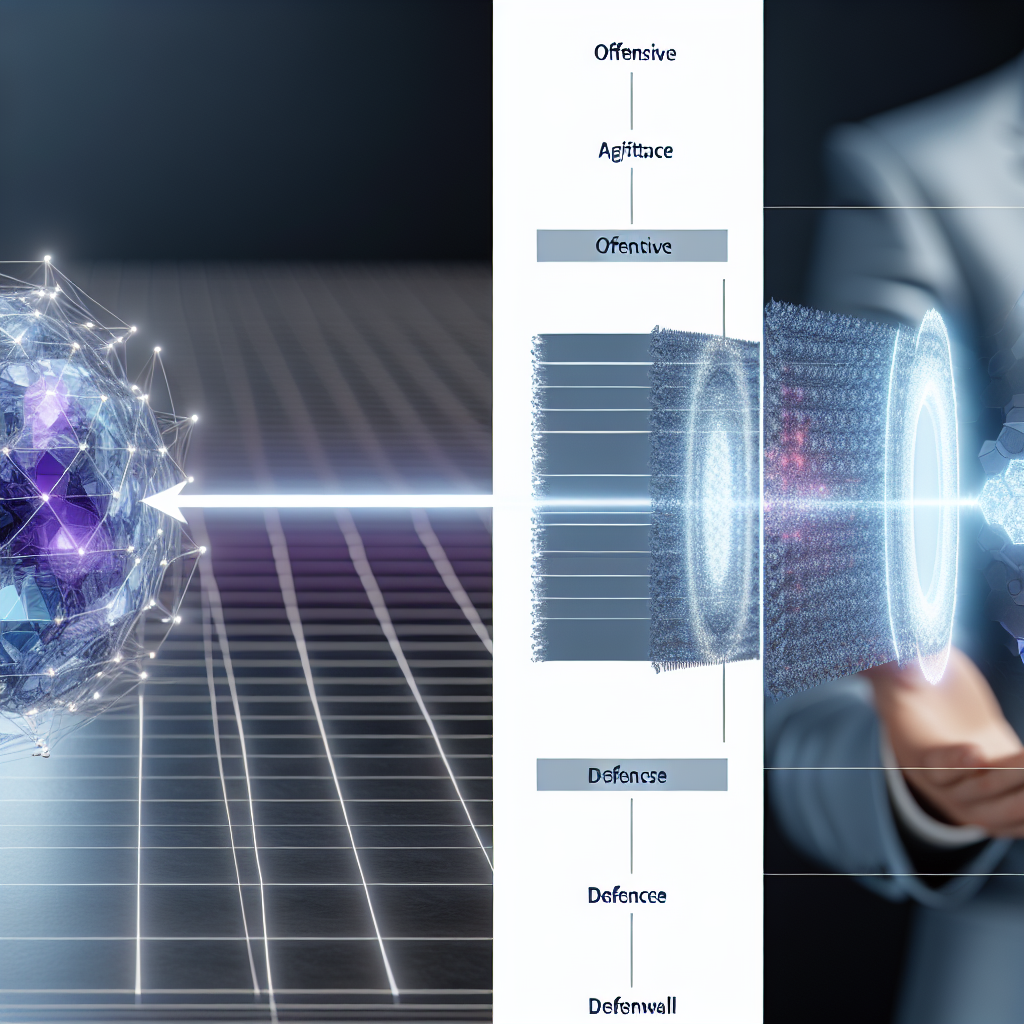
AI for Cyber Warfare: Offensive and Defensive Applications
AI for Cyber Warfare: Offensive and Defensive Applications
As the digital landscape continues to evolve, artificial intelligence (AI) is becoming a pivotal component in the realm of cybersecurity. The integration of AI in offensive and defensive strategies has reshaped how organizations approach cyber warfare, fundamentally altering the tactics employed to ensure protection against cyber threats. In this article, we will explore the multifaceted applications of AI in cyber warfare, shedding light on both offensive and defensive strategies, while also discussing the implications of ethics and compliance in this critical area.
The Paradigm Shift in Cyber Warfare
The advent of AI has ushered in a new era of cyber warfare, where speed, efficiency, and analytical prowess define successful operations. Traditional methods of cybersecurity are becoming obsolete as adversaries leverage AI to automate attacks, generating a pressing need for firms to adapt and innovate their defenses.
Offensive Applications of AI
In the realm of offensive cyber operations, AI tools are employed to conduct sophisticated attacks, often targeting critical infrastructure and sensitive data. Here are several key applications:
- Automated Attack Planning: AI-driven algorithms can analyze vast datasets to identify weaknesses in target systems, enabling hackers to formulate advanced attack strategies that are highly effective.
- Phishing Detection and Execution: Cybercriminals utilize AI-generated content to craft convincing phishing attacks that can bypass traditional detection systems, automating the process of targeting potential victims.
- Continuous Learning and Adaptation: AI systems can learn from previous attacks, adapting techniques and strategies to ensure greater success in future offensives.
Defensive Applications of AI
Conversely, defensive cybersecurity measures are equally benefiting from AI applications. Here are notable defensive strategies:
- Threat Detection and Response: AI algorithms sift through massive datasets to identify unusual patterns indicative of a cyber attack, enabling real-time response and mitigation efforts.
- Behavioral Analysis: AI is leveraged to develop baselines of normal user behavior, allowing organizations to swiftly identify anomalies that may indicate a security breach.
- Automated Incident Response: Through machine learning, AI systems can autonomously respond to incidents, significantly reducing response times and minimizing damage.
Ethics and Compliance in AI Cyber Warfare
The utilization of AI in cyber warfare raises critical ethical and compliance considerations that organizations must navigate. Responsible application of AI requires adherence to ethical guidelines while ensuring compliance with local and international regulations.
- Transparency and Accountability: Organizations must establish frameworks that promote transparency in AI decision-making processes. Clear accountability mechanisms are essential to ensure ethical conduct in offensive and defensive operations.
- Data Protection and Privacy: As AI systems rely heavily on data, it is paramount to prioritize data protection and privacy in compliance with established regulations, safeguarding user information against misuse.
- Adherence to International Laws: Engaging in cyber operations necessitates conformity to international laws concerning warfare and cyber conduct, emphasizing the importance of ethical standards.
Challenges in Implementing AI for Cyber Warfare
While the potential advantages of AI in cyber warfare are considerable, organizations face challenges in implementation, including:
- Skill Gaps: There is a growing shortage of professionals equipped with the necessary skills to develop and manage AI-driven cybersecurity systems, leading to potential vulnerabilities.
- Cost Implications: Deploying AI technologies incurs significant costs in terms of infrastructure and expertise, which may deter smaller organizations from adopting these advancements.
- Over-reliance on Automation: Organizations must balance the use of automation with human oversight to avoid complacency that may result from relying solely on AI solutions.
Positioning in the GCC and UAE Cybersecurity Landscape
Operating in the diverse landscape of the Gulf Cooperation Council (GCC) and the United Arab Emirates (UAE), The Consultant Global possesses a unique advantage in understanding the regional cybersecurity needs. Our extensive and unparalleled experience across international, governmental, and private sectors allows us to provide customized consultancy services that align with local and cultural context.
We prioritize the values of diversity and inclusion, leveraging our multilingual capabilities in English, Turkish, Azerbaijani, Russian, and French. This ability positions us as an effective partner for organizations navigating compliance and ethical considerations in their cybersecurity strategies.
Conclusion
The convergence of AI and cyber warfare presents both exciting opportunities and significant challenges for organizations. As cyber threats become more sophisticated, embracing AI is essential for maintaining a robust cybersecurity posture. It is imperative for organizations to ethically navigate the complexities of AI applications while ensuring compliance with established frameworks.
At The Consultant Global, we are dedicated to being your trusted advisors, guiding you through the intricacies of AI and cyber warfare. Our commitment to delivering value is unwavering. We firmly believe that our unique expertise and cultural adaptability will empower your business to thrive amidst the evolving landscape of cybersecurity.
As we strive towards global growth, especially within the GCC region, The Consultant Global remains poised to offer innovative and effective solutions in AI-driven cybersecurity. Together, let’s secure our digital future.


Leave a Reply