

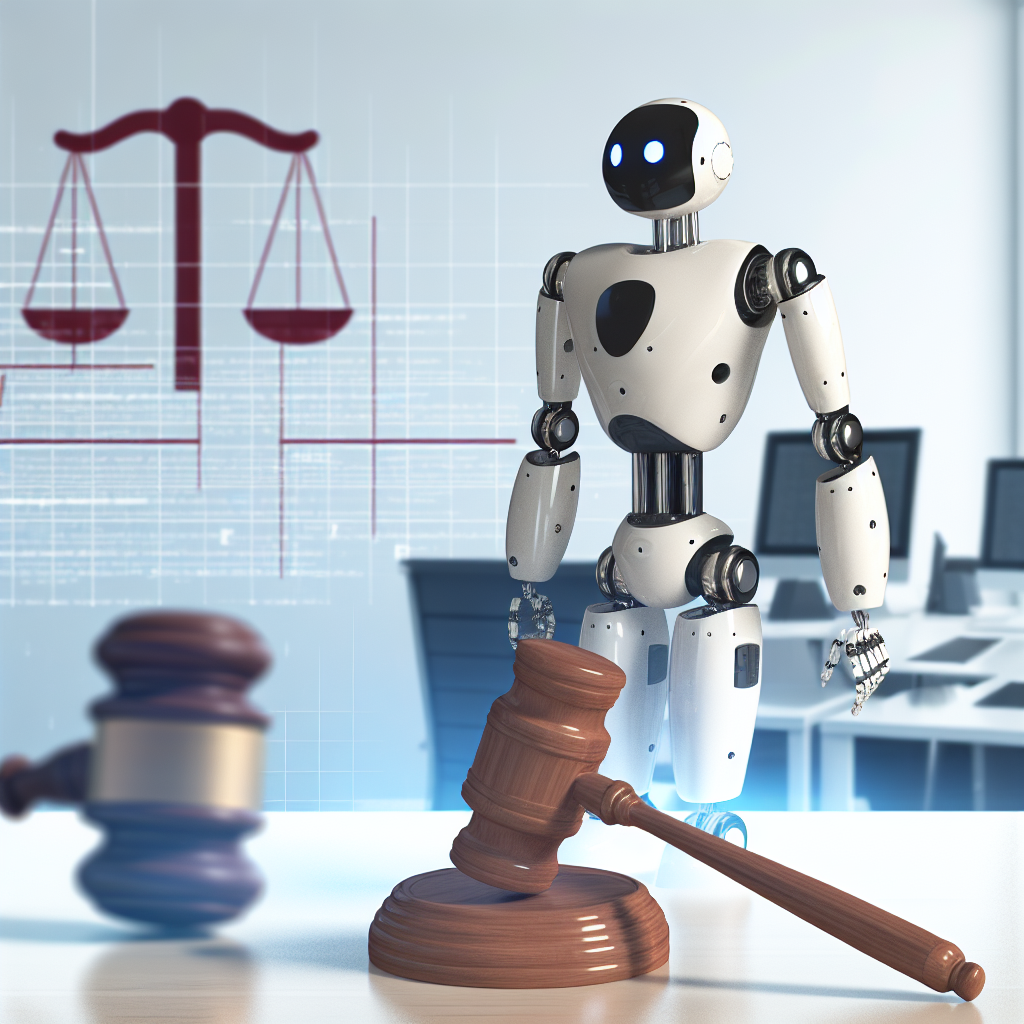
Liability for Advanced Robotics: Allocating Responsibility for Autonomous Actions
Liability for Advanced Robotics: Allocating Responsibility for Autonomous Actions
As robots become increasingly autonomous, they present complex challenges regarding liability and responsibility. The question of who is accountable when artificial intelligence (AI) and robotics systems perform actions without human intervention is a pressing legal and ethical issue. This article delves into the intricacies of liability associated with advanced robotics, exploring the legal frameworks in the U.S., U.K., and UAE that seek to allocate responsibility for autonomous actions.
Understanding Autonomous Robots
Advanced robotics refers to systems that can perform tasks or make decisions independently of human oversight. These can include anything from automated manufacturing robots to self-driving vehicles. While their autonomous capabilities offer significant efficiency and productivity benefits, they also complicate traditional legal frameworks concerning negligence, product liability, and torts.
Types of Autonomous Actions
- Preprogrammed Tasks: Robots configured to perform tasks based on programming may invoke liability from manufacturers.
- Machine Learning Decisions: AI that learns from data and adapts its behavior raises questions about accountability, particularly when it decides on actions not explicitly anticipated.
- Remote Operation: Robots operated remotely by humans introduce complexities regarding human operator liability versus machine autonomy.
Legal Perspectives on Liability
As robotics technology advances, so too does the legal landscape that governs it. In both the U.S. and U.K., existing laws are being tested and adapted to address the unique challenges posed by autonomous systems.
U.S. Regulations on Robotics Liability
In the United States, liability for autonomous actions primarily falls under tort law, particularly the doctrines of negligence and strict liability. The core question often revolves around whether the liability lies with the manufacturer, the operator, or the user of the robotic technology.
- Negligence: This occurs when a party fails to act with reasonable care, leading to damages. Establishing negligence requires evidence of a duty of care, a breach, and causation.
- Strict Liability: Manufacturers may be held strictly liable for defective products regardless of fault. If a robot malfunctions due to design flaws or manufacturing defects, the manufacturer could be held accountable.
U.K. Legal Frameworks for Liability
The U.K. has been proactive in considering the implications of AI and robotics under its legal framework. The Law Commission has suggested that new legislation may be needed to address liability issues relating to automated vehicles and robotics.
- Product Liability Reform: There is ongoing discussion about updating product liability laws to reflect the complexities of robotic systems.
- Insurance Solutions: The advent of autonomous vehicles has sparked interest in developing new insurance models tailored to robotics.
UAE Regulations and Future Directions
The UAE is actively striving to become a global leader in AI and robotics, fostering an environment of innovation while implementing regulatory measures to ensure safety and accountability. The government is contemplating the nuances of liability in autonomous systems through initiatives aligned with the UAE’s vision for a digital economy.
As this field evolves, there will likely be a need for clear definitions and standards regarding the responsibility of AI actions, significantly influenced by the nation’s strategic initiatives in technology adoption.
Challenges in Allocating Responsibility
While frameworks are being developed, several challenges complicate the allocation of responsibility for autonomous actions:
- Complexity of Decision-Making: The more advanced AI systems become, the less predictable their actions are, making it difficult to assign liability accurately.
- Multi-Party Involvement: In many cases, various stakeholders are involved in designing, programming, or operating robots, each contributing to potential liability.
- Cross-Jurisdictional Issues: Robotics operates internationally, making regulations and liability determinations more complicated across borders.
Moving Towards a Solution
In light of these challenges, industry stakeholders, legal experts, and governments must collaborate to formulate solutions that provide clear guidance on liability for autonomous robotic actions. Potential approaches could include:
1. Establishing Clear Guidelines
Governments and regulatory bodies should develop clear frameworks outlining the responsibilities of manufacturers, operators, and users of autonomous systems. This may involve new laws or amendments to existing regulations.
2. Promoting Insurance Frameworks
Insurance policies tailored specifically for robotic systems could help mitigate risks and allocate costs associated with liability claims. Establishing liability insurance for autonomous systems would encourage responsible development and deployment.
3. Emphasizing Ethical AI Development
As technology advances, the ethical development of AI is paramount. Companies should adhere to best practices in AI ethics that prioritize safety, transparency, and accountability.
The Role of The Consultant Global
At The Consultant Global, we pride ourselves on our extensive experience in helping businesses navigate the complexities of compliance, ethics, and legal frameworks related to advanced robotics. Our unique positioning in the GCC, particularly the UAE, allows us to effectively address local and international regulations. Our consulting services are profoundly informed by our diverse capabilities, language proficiency, and cultural understanding, positioning us to provide tailored solutions to our clients.
We are fluent in several languages, including English, Turkish, Azerbaijani, Russian, and French, enabling us to communicate effectively with our diverse clientele. The Consultant Global is committed to being more than just a service provider; we aim to become your trusted advisor, delivering value through our bespoke consulting services. Together, we can leverage technology responsibly while ensuring compliance with evolving legal standards.
Conclusion
The rapid advancement of robotics presents unique challenges in the realm of liability and responsibility. As technology evolves, so too must our legal frameworks. By addressing the allocation of responsibility for autonomous actions effectively, we can maximize the benefits of robotics while safeguarding public interest. Partnering with organizations like The Consultant Global can provide the expert insight needed to navigate this complex landscape. We are here to help your business adapt and thrive in an autonomous future.


Leave a Reply