

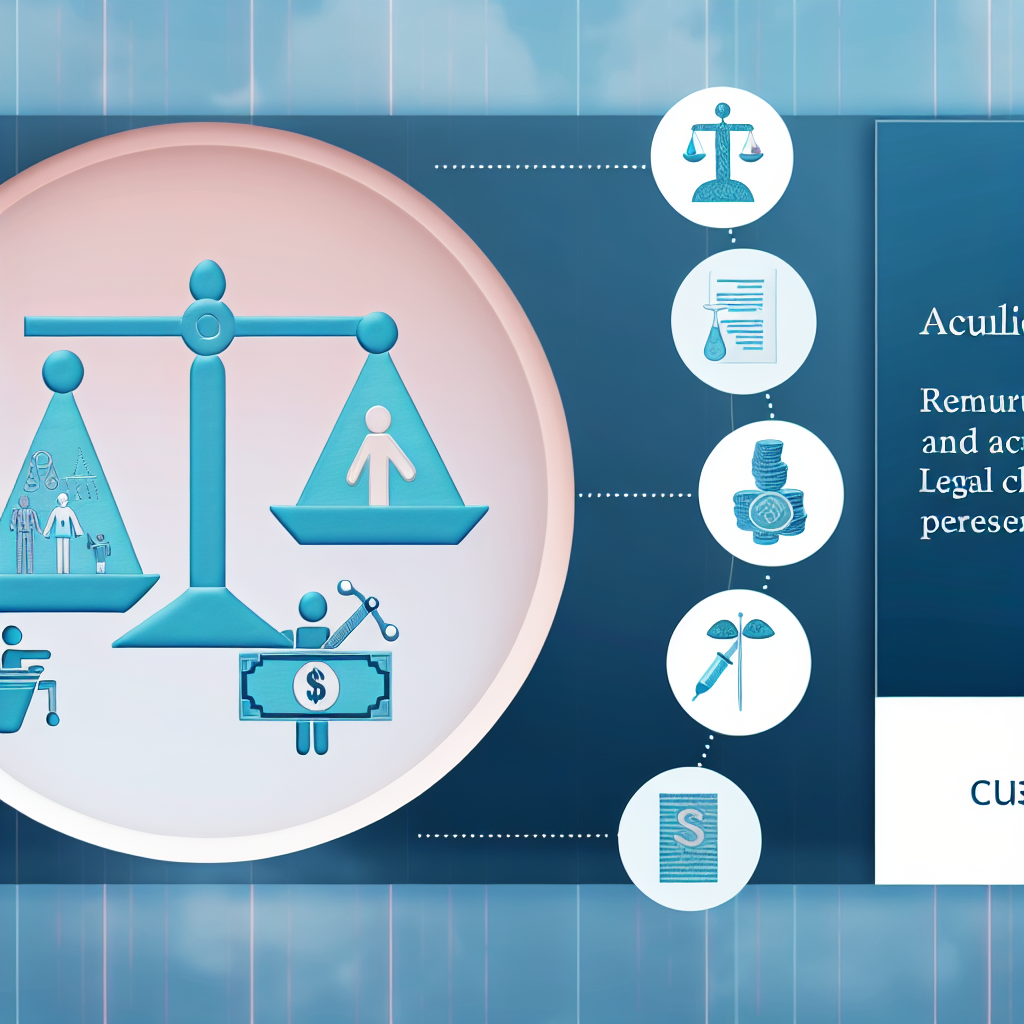
Reimbursement and Access: Legal Challenges for Personalized Therapies
Introduction
The landscape of personalized therapies is continually evolving, offering unique treatment options tailored to individual patient profiles. However, with innovation comes a set of legal challenges, particularly related to reimbursement and access. Understanding these legalities is crucial, especially for stakeholders in the healthcare sector looking to navigate the complexities of personalized medicine. This article delves into the key legal challenges surrounding reimbursement and access for personalized therapies, highlighting considerations for compliance in both U.S. and U.K. contexts, while also touching upon relevant practices in the UAE.
Understanding Personalized Therapies
Personalized therapies, also known as precision medicine, utilize genetic, environmental, and lifestyle factors to create tailored treatment plans. As healthcare providers strive to offer individualized care, they encounter various legal and regulatory frameworks that govern reimbursement processes. This complexity necessitates a comprehensive understanding of the legal landscape to ensure that patients gain equitable access to these innovative treatments.
The Role of Reimbursement in Personalized Therapies
Reimbursement plays a pivotal role in patient access to personalized therapies. It involves the process of obtaining payment from insurers for medical services provided. The intricacies of reimbursement are especially pronounced in the realm of personalized medicine due to the following reasons:
- Novelty of Therapeutics: Many personalized therapies represent new treatment modalities that often lack established coverage frameworks.
- Evidence Requirements: Insurers commonly require comprehensive evidence of efficacy, safety, and cost-effectiveness, which may not be readily available for emerging therapies.
- Policy Variability: Variations in reimbursement policies across different insurers can create access disparities for patients.
Legal Challenges in Reimbursement
Legal challenges in the reimbursement landscape for personalized therapies can stem from a variety of sources, including regulatory bodies, insurers, and healthcare providers. Understanding these challenges is crucial for stakeholders invested in delivering personalized therapies.
Compliance and Regulatory Frameworks
Compliance with established regulations governing healthcare access is fundamental. In the U.S., the Centers for Medicare & Medicaid Services (CMS) establishes rules for reimbursement, while in the U.K., the National Institute for Health and Care Excellence (NICE) dictates guidelines for treatment approval. Key aspects include:
- Clinical Guidelines: Adherence to clinical guidelines and standards is essential for ensuring reimbursement eligibility.
- Evidence Submission: Suppliers must present compelling clinical evidence to support the safety and efficacy of therapies.
- Data Collection: Ongoing data collection on patient outcomes may be required to maintain coverage over time.
Denials and Appeals Processes
Insurers may deny reimbursement claims for personalized therapies, creating barriers to patient access. Legal challenges often arise from:
- Unclear Policies: Lack of clarity in insurer policies can lead to unjust denials.
- Appeals Process: Legal disputes may arise when patients and providers navigate complex appeals processes to contest denials
Access Challenges in Personalized Therapy
Access to personalized therapies is not solely determined by reimbursement policies; it also encompasses legal challenges that can impede delivery. These challenges are particularly evident in the multi-faceted healthcare ecosystems of the GCC and UAE.
Equity and Disparity in Access
Underrepresentation of certain populations in clinical trials can lead to inequities in treatment accessibility. This is particularly a concern in regions like the UAE, where the healthcare landscape is diverse. Key considerations include:
- Diverse Patient Populations: Ensuring that personalized therapies are inclusive and represent the genetic diversity of the population.
- Healthcare Infrastructure: Navigating varied healthcare resources can impact the equitable delivery of personalized therapies.
Regulatory Compliance for Clinical Trials
The legalities surrounding clinical trials for personalized therapies add another layer of complexity. Compliance with ethical standards and regulatory requirements is essential for:
- Patient Safety: Protecting the rights of participants in clinical studies must remain a priority.
- Trial Transparency: Transparent reporting of trial outcomes is necessary for regulatory approval and ongoing trust from stakeholders.
The Importance of Multicultural Expertise
At The Consultant Global, we recognize the importance of navigating the legal landscape for personalized therapies with a deep understanding of various cultural and regulatory contexts. Our unique multicultural intelligence allows us to provide tailored consultancy services that address the distinct challenges faced by stakeholders in the GCC and UAE. Our extensive experience in international, government, and private sectors positions us as trusted advisors in addressing the legal hurdles surrounding reimbursement and access for personalized therapies.
Language Skills and Cultural Nuances
Effective communication is paramount in legal consultation, especially in the diverse environments of the GCC and UAE. Our team boasts proficiency in multiple languages, including English, Turkish, Azerbaijani, Russian, and French. This linguistic capacity enables us to engage with clients and stakeholders across various sectors effectively, ensuring that the nuanced legal implications of personalized therapies are fully understood and communicated.
Strategies for Overcoming Legal Challenges
To navigate the ongoing legal complexities associated with reimbursement and access to personalized therapies, stakeholders should consider employing proactive strategies that focus on compliance and advocacy:
Engagement with Regulatory Agencies
Stakeholders should actively participate in discussions with regulatory bodies to advocate for clearer reimbursement policies related to personalized therapies.
Development of Evidence-Based Proposals
Creating solid proposals based on robust clinical evidence is essential for addressing insurer requirements and securing reimbursement.
Training and Education
Continuous education programs for healthcare providers and legal teams can help ensure compliance with evolving regulations and best practices in personalized therapy.
Conclusion
As personalized therapies become increasingly integral to patient care, understanding the legal challenges surrounding reimbursement and access is essential for all stakeholders in the healthcare landscape. At The Consultant Global, we are committed to delivering expert consultancy services that navigate these complexities effectively. Our multicultural experience and language prowess uniquely position us to support clients in developing strategies that not only meet legal standards but also enhance patient access to groundbreaking therapies. Together, we can ensure that patients receive the personalized care they deserve, while successfully managing the legal challenges that lie ahead.
For more insights and tailored consultancy services in navigating the complexities of personalized therapies, reach out to The Consultant Global today.


Leave a Reply